
Trigger Notice + 988 Crisis Reminder
This episode includes conversations about suicide loss, suicide attempts, depression, addiction, trauma, and mental health treatment. Please take care of yourself while listening.If you or someone you love is struggling, call or text 988 in the U.S. or Canada for immediate crisis support. You are wanted. You are needed. And you do not have to carry this alone.
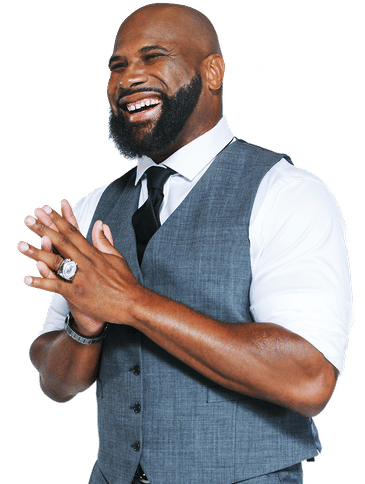
For Men’s Mental Health Month, G-Rex and Dirty Skittles sit down with former NFL linebacker Brandon Siler for a raw, powerful conversation about brain health, suicide prevention, life after football, and the pressure men often feel to stay silent. Brandon’s story is a reminder that asking for help is not weakness. It is strength, survival, and sometimes the first real step toward healing.
Awards & Downloads Line
Sh!t That Goes On In Our Heads is a 2024 People’s Choice Podcast Award Winner (Best Health), 2024 Women in Podcasting Award Winner (Best Mental Health Podcast), 2026 Podcast Tonight Award Winner (Best Mental Health Podcast), and 2026 NYC Podcast Award Audience Choice Winner (Best Hosts), with over 4.5 million downloads and listened to in over 160 countries.Feedback Link Line
We’d love to hear your thoughts! Leave us written or voice feedback here: https://castfeedback.com/67521f0bde0b101c7b10442aMental Health Quote
“Don’t let that soda shake up on you. Fizz that thing out before it explodes.” — Brandon SilerEpisode Description
For Men’s Mental Health Month, G-Rex and Dirty Skittles welcome Brandon Siler, a former NFL linebacker, national champion, entrepreneur, mental health advocate, and straight-up wall breaker. Brandon’s story starts in Pine Hills, Orlando, where sports helped keep him focused, driven, and out of trouble. That path led him to the University of Florida, a national championship, and six seasons in the NFL with the San Diego Chargers and Kansas City Chiefs.But this conversation is not just about football. It is about what happens after the cheering stops.
Brandon opens up about the devastating death of his teammate Javon Belcher by suicide, his own mental health struggles after leaving the NFL, and the hard truth that even the toughest people need help. He talks about the macho pressure placed on men and athletes, the stigma around therapy and treatment, and why real strength means raising your hand and saying, “I need help.”
Through Legacy Pro Sports, Pure Recovery California, Love4Vets, and Siler Brain Clinics, Brandon now helps former athletes, veterans, and high performers access disability benefits, mental health care, brain mapping, neuro-feedback, and treatment built around their lived experiences. His mission is simple but massive: knock down the walls that keep people from healing.
This episode is raw, hopeful, funny, and deeply human. It is a reminder that men’s mental health matters every damn day, not just during awareness months.
Keywords: Brandon Siler, men’s mental health, suicide prevention, brain health, NFL mental health, athlete mental health, veterans mental health, neurofeedback, brain mapping, trauma recovery, addiction recovery, mental health stigma, therapy for men, depression support, crisis support
Meet Our Guest — Brandon Siler
Brandon Siler is a former NFL linebacker turned serial entrepreneur, mental health advocate, and founder of multiple mission-driven companies. Raised in Pine Hills in Orlando, he earned a scholarship to the University of Florida, became SEC Freshman of the Year, helped lead the Gators to a national championship, and went on to play six seasons in the NFL.After the death of a teammate by suicide and his own difficult transition out of football, Brandon shifted his focus to helping athletes, veterans, and high performers access the care, benefits, and brain health tools they need to heal and thrive.
Business Websites
Legacy Pro Sports: https://www.legacyprosports.com
Pure Recovery California: https://purerecoveryca.com
Siler Brain Clinics: https://www.silerbrainclinics.com
Siler Clinics: https://www.silerclinics.com
Love4Vets: https://love4vets.com
Personal Social Media
Instagram — Brandon Siler: https://www.instagram.com/brandonsiler40
LinkedIn — Brandon Siler: https://www.linkedin.com/in/brandonsiler40
Facebook — Brandon Siler: https://www.facebook.com/brandonsiler40
X — Brandon Siler: https://x.com/BrandonSiler21
Business Social Media
Instagram — Legacy Pro Sports: https://www.instagram.com/legacyprosports
Key Takeaways
- Asking for help is not weakness. It is one of the strongest things a man can do.
- Brain health matters, especially for athletes, veterans, and high performers carrying invisible injuries.
- Suicide prevention starts with honest conversations before the pressure explodes.
- Therapy, treatment, and support work better when people feel seen, understood, and safe.
- Brandon’s work is about knocking down walls so former players and veterans can access the benefits and care they deserve.
- Healing does not mean you never struggle again. It means you learn how to stop carrying it alone.
Actionable Items
- Check in on the strong friend, the funny friend, and the extroverted friend. They may be carrying more than they show.
- Say the thing out loud before it becomes too heavy. Talk to a therapist, trusted friend, doctor, coach, or crisis line.
- Reframe mental health care as brain optimization. You are not broken. You are learning how to care for the most important part of you.
References Mentioned
988 Suicide & Crisis Lifeline: https://988lifeline.org Legacy Pro Sports: https://www.legacyprosports.com Pure Recovery California: https://purerecoveryca.com Siler Brain Clinics: https://www.silerbrainclinics.com Love4Vets: https://love4vets.com University of Florida Football: https://floridagators.com/sports/football NFL Player Benefits: https://www.nfl.com/playerhealthandsafety/resources/frequently-asked-questions/player-benefitsImportant Chapters
- 00:00:37 — Welcome to the Episode G-Rex and Dirty Skittles welcome Brandon Siler and set the stage for a real conversation about mental health, football, healing, and the things men are often told to keep buried.
- 00:01:35 — Brandon’s Journey from Pine Hills to the NFL Brandon shares how growing up in Pine Hills shaped him, how sports kept him focused, and how football eventually chose him.
- 00:03:30 — Life After Football and a Teammate’s Death by Suicide Brandon opens up about the tragic loss of teammate Javon Belcher and how that experience pushed him to rethink his purpose after the NFL.
- 00:06:10 — Brandon’s Own Mental Health Struggles He talks honestly about being in a dark place after leaving football and how hard it can be for NFL players and men to admit they need help.
- 00:07:44 — Why Athlete-Specific Treatment Matters Brandon explains how one teammate’s struggle with alcohol, drugs, and mental health led him to discover treatment built for athletes who needed to feel understood.
- 00:08:13 — Brain Mapping, Neurofeedback, and Healing the Root Cause The conversation turns to brain health, neurofeedback, biofeedback, red light therapy, and tools that help people see and work with what is happening in their brains.
- 00:12:48 — Breaking the Stigma for Men G-Rex speaks directly about suicide prevention, asking for help, and why there is no shame in reaching out when you are struggling.
- 00:14:24 — Brandon on Strength, Masculinity, and Speaking Up Brandon shares why men need to reject the “macho” stigma and understand that asking for help is a strength, not a failure.
- 00:17:06 — Love4Vets and Supporting Veterans Brandon discusses his work with veterans, disability claims, mental health support, and why he felt called to help when he saw veterans facing similar struggles to athletes.
- 00:22:58 — Chasing the Best Version of Yourself Brandon shares the powerful image he carried as a kid: looking in the mirror and chasing the best possible version of himself.
- 00:30:02 — Suicide Attempts, Therapy, and Brain Optimization Brandon and G-Rex talk openly about suicide attempts, therapy, mistakes, healing, and why mental health care can be viewed as optimizing your brain.
- 00:33:37 — Advice to His Younger Self Brandon reflects on faith, purpose, and what he wishes he had understood sooner when he was struggling.
- 00:35:22 — The Hardest Lesson Brandon Had to Learn He shares the pain of realizing you cannot force someone to want better for themselves, even when you love them deeply.
- 00:37:24 — Anxiety, Favorite Words, and Brandon’s Humor The episode lightens up with Brandon’s anxiety sound, his favorite word, his least favorite word, and a hilarious explanation of why exclamation points matter.
- 00:41:43 — Final Message for Men’s Mental Health Month Brandon closes with a reminder to reach out, talk to someone, and let the pressure out before it explodes.
Closing CTA
Subscribe, Rate, and Review! Remember to subscribe for more inspiring stories. Rate and review us on your favorite podcast platform, or visit our Website: https://goesoninourheads.net/add-your-podcast-reviews#MentalHealthPodcast #MentalHealthAwareness #Grex #DirtySkittles #Podmatch #MensMentalHealth #MensMentalHealthMonth #SuicidePrevention #BrainHealth #BrandonSiler #NFLMentalHealth #AthleteMentalHealth #VeteransMentalHealth #TherapyWorks #BreakTheStigma #MentalHealthRecovery #AddictionRecovery #TraumaHealing #Neurofeedback #BrainMapping #YouAreNotAlone
***************************************************************************
If You Need Support, Reach Out
If you or someone you know is facing mental health challenges, please don’t hesitate to reach out to a crisis hotline in your area. Remember, it’s OK not to be OK—talking to someone can make all the difference.
- United States: Call or Text 988 — 988lifeline.org
- Canada: Call or Text 988 — 988.ca
- Worldwide: Find a Helpline
- Mental Health Resources and Tools: The Help Hub
Stay Connected with G-Rex and Dirty Skittles
- Official Website: goesoninourheads.net
- Facebook: @shltthatgoesoninourheads
- Instagram: @grex_and_dirtyskittles
- LinkedIn: G-Rex and Dirty Skittles
- Join Our Newsletter: (https://grexanddirtyskittles.substack.com/)
- Merch Store: goesoninourheads.shop
Audio Editing by NJz Audio
Hosted by Simplecast, an AdsWizz company. See pcm.adswizz.com for information about our collection and use of personal data for advertising.
[00:00:01] Hey there, listeners. Welcome to Sh!t That Goes On In Our Heads, our podcast where we normalize conversations around mental health. That's right. I'm Dirty Skittles and alongside my amazing co-host, G-Rex, we hear your stories and tips from our incredible guests. Each episode, we deep dive into struggles and triumphs of mental health, offering practical advice and heartfelt support because no one should feel alone in their journey.
[00:00:31] Join us as we break the stigma and build a community of understanding and compassion. Tune in and let's start talking about the shit that goes on in our heads. Three, two, one. Welcome back to another episode of Sh!t That Goes On In Our Heads. I'm here with the awesome Dirty Skittles and today we have an amazing guest, Brandon. Welcome to the podcast. Welcome. Thank y'all for having me. It's nice to meet you.
[00:01:01] You got a new... Nice to meet you guys too. New York hat on. Are you in New York or are you located? No, I'm actually back in Orlando. I got back from D.C. last night. I actually, my best friend coaches for University of Maryland. So I went out there to visit him and his kids and had us a little blast and just got back this morning. Nice. Wow. Okay. So tell us a little bit about yourself.
[00:01:27] We call you Brandon or the champ as we have established earlier offline. But who are you? You know, that's a hard question. Who am I? Right? That's a tough question. I guess I would give the, I guess the easiest way to describe it is kind of where my journey was. Right? So a kid out of Pine Hills in Orlando, the projects in Orlando, and kind of made straight A's my whole life. Motivated to get out.
[00:01:56] Went and chose the University of Florida to play at, play football, and became SEC Freshman Player of the Year. Won a national championship in 2006. Got me some big rings. Decided to leave college early and go pro. Played six years in the NFL. Got done with that and created a, worked for a Fortune 500 company for about two and a half years. And then got into entrepreneurship.
[00:02:24] Been there ever since and ain't never going back. I got 15 companies that I run, I understand a five employees. So kind of a serial entrepreneur, I guess you would say. Whoa. 15 companies. Bless it. I can barely manage myself. I'm still working on that one. Wow. So let's take a step back. Man, football. How did, like, were you always passionate about that sport? Like, how did you get into that?
[00:02:55] Yeah, I mean, sports kept me out of trouble from where I'm from, right? I was always passionate about football. But my favorite sport was basketball. And I was probably the best at baseball. I kind of fell in the middle of that football because of my body structure, you know. And my talents, it fell right into what football was. So I always say that football chose me. I chose basketball. Baseball was the best thing that I was good at. And then football chose me. It picked me.
[00:03:25] Yeah. And transitioning out of NFL, where did you go next? Well, it's crazy because I had a tragic kind of leaving of the NFL. My, one of our best friends on the team, Javon Belcher, shot himself in the head at the facility in front of us. And I kind of knew that I had to do something else with my life.
[00:03:46] So when I got done, I went back to the University of Florida and talked in front of the Booster Club and whatnot and ended up landing a job managing a Fortune 500 company doing concrete, right? I was like building out these apartment complexes and all of that sort of thing. Did that for about two and a half years. Thought that I was living pretty good. Thought that I, you know, was like, all right, this is the next phase.
[00:04:13] But it wasn't really what, you know, I knew that it had to be something else out there that, you know, God had given me all of these abilities and things. You know, I graduated from 4.2 from high school, you know, 3.8 college and got my MBA, got business degrees from Harvard, Yale, MIT, Wharton Business School. And I thought I got one more class so I got my doctorate. So I felt like it was something else out there for me.
[00:04:42] And then I had like six of my teammates that came to me about, you know, this disability is mental health stuff. And I kind of went to help them. And before you know it, it was like, well, who's going to help all the rest of the guys that are out there outside of my just few buddies? And that's how I jumped into entrepreneurship. Yeah. How did you know how to help them? I didn't.
[00:05:09] I really just dug into everything that I had available to me at the time. I dug into it. And the more and more that I dug, the more and more that I tried to figure it out, the more and more pissed off I got. Right. Because there were two things that were missing. It was, you know, most players didn't have an education about what was available to them. And then the second thing was after they found, you know, things that was available to them,
[00:05:34] there was all of these walls that they had to get over and get through in order to actually get the disability that was out there for them. And so I basically, you know, I'm basically the guy that knocks down the walls now. Oh, I love that. I love that. And from your point of view, when you left the NFL, were you in a, I mean, I want to put this gently,
[00:06:03] like were you in a, like a different type of mental state, especially after you saw your friend? Most definitely. So for about three or four years, I was in that down slump and couldn't really get out of it. I needed to go get my own help and treatment. And that's something hard for an NFL player to do, right? We're all macho, macho men, right?
[00:06:27] So a lot of guys get into that place where they're down in dumps, their mental health isn't good, and they can't shake it. I think one of the biggest things that I did in my life was realize that I had an issue and that I needed to get some outside help in order to, you know, be the best me and to be happy and to not be in this mental funk. So what I did was I went and got my help. I went and asked for outside help, and it helped me.
[00:06:56] Years later, I had a teammate that was going through a similar thing, a big heavy drinker, drugs, was in a bit bad mental state. And I was trying to help him, so I did everything that I could to try to get him out to a rehab facility or something where he could really get help and turn his life around. And he missed about four or five airplanes. And I'm like, man, you're wasting all my money, bro. Like, I can't keep doing this, right?
[00:07:26] So he said, man, you know what? Actually, I can't go to a rehab facility with, you know, people there that didn't share my journey, right, that wasn't an athlete. Don't understand that. Like, I'm famous. They're going to be looking at me like I'm crazy, and I'm not going to really be able to heal. And I said, oh, my gosh, he really kind of got a point, right?
[00:07:47] Like, that kind of resonated with me, and I tried to go find him a place that only athletes were at or it had a big thing of athletes. And that's when I found Peer Recovery California. And he went out there, and I convinced him to go out there. It was athletes. He went out for 30 days. And I talked to him like two months after he came back, and I was like, hey, man, you sound different. And he was like, well, I should sound different.
[00:08:13] I haven't had a drink or a drug since I went out there to that rehab facility that you sent me to. And I was like, oh, my God. God must be out there because if you got him to stop drinking and drugs, then it must be a miracle. And when I went out there, that's when I experienced it for the first time. And it wasn't they did all of the things that a normal rehab facility would do, you know, with all of the treatment, therapy,
[00:08:39] be a psychiatrist, psychologist, neurologist, neuropsychist, you know, group therapy, individual therapy. But they took it to another level where they got inside of the brain and got to the cause and the root of what was going on in God's life. So they do this brain mapping where you can see what's going on in your brain and you can identify the areas where your brain's not performing to its peak ability.
[00:09:09] Right. And then you can hook that up and you can do this neurofeedback where you literally can use that portion of your brain and visually see on a screen. Let's say that, you know, flying an airplane where you're trying to move that airplane and make it go right and left. And you can't do it because that part of your brain is optimized. Well, you go and you start doing the work, right? You start doing the biofeedback.
[00:09:39] You start doing, you know, we even have TMS, which you usually find in a hospital out there. You have red light therapy, all of this different stuff that we didn't know was available to us, you know, long time ago. And now the science speaks for itself. So you can go and an athlete can see, hey, I'm getting better in this area. And now I start moving the plane and being able to control it and knowing that, you know, I'm getting better.
[00:10:08] So then you give them those tools and you teach them how to make it better. And they have those tools as they go forward in life and they can maintain their mental health a lot better. We have a lot of our guys that have several visits where they'll come back pretty much once a year, maybe even a little bit more often because they feel like they need to stay in touch and need to stay in tune with it.
[00:10:35] And they come for the new technology and they come to make sure that they're mapping out their brain and making sure that it's still getting better consistently. So it's a unique benefit. It's a unique place where, you know, there's nowhere else in the world. There's nowhere else in the United States that has treated as many athletes as we've treated over the last five or six years from a residential mental health standpoint. And it's been awesome. We've saved lives.
[00:11:04] We've saved relationships with wives. We've saved relationships with kids and families. And we're really proud of that. It's a special place where a lot of healing takes place. That is amazing. And I'm like nerding out. So when you say like they can go in and get a brain scan, like it's actually their brain that's being scanned? Absolutely, yes. That is like I would be hooked. Like I'd be like, oh, I wouldn't. Like I get the appeal. Like I want it's your brain. It's different than, you know.
[00:11:34] And the crazy thing is like we just now started. We just opened the doors. So it's not just athletes that can come and get this treatment. We started Solid Brain Clinic. Solid Brain Clinic is that neural portion part of it, that brain therapy part of it where, you know, if you just want to be a peak performer, if you don't feel like you have a little bit of fog or you want to get the best out of your brain.
[00:12:00] Or if you want to go look and see what's going on inside of your brain, right, you can do all of that through Solid Brain Clinic. You can come out. You can go get the brain map. You can do the neural and biofeedback. You can do the red light therapy. You can do all of the things that we used on these, you know, on these great athletes to get the best out of them. So it's about it's not just about the treatment. It's also about maximizing your brain and what you have.
[00:12:30] Every plan that we do is specifically tailored for that person. There's no two brains that are the same, right? So we put a program together and that program is for optimizing each and every brain in the way that you want to see it working. Wow. That is the coolest thing ever. Sure. And I think it's cool that you're doing this now for, you know, high performers and athletes, right?
[00:12:57] Because I'm just going to assume that as a football player and telling somebody that you are, that you have like mental problems, right? There's still a lot of stigma around that. There's a lot of stigma out there for men. And, you know, I will say it again, that there is no weakness in asking for help. None. There's no shame. There's no weakness. Just for my own personal story.
[00:13:23] You know, when I did, when I had my suicide attempt, like nobody knew how depressed I was. Nobody. Because I didn't show it. As an extrovert, I show, nobody knew. And so when they all found out, like the day after, people were freaked out, including Dirty Skittles. And I just want to get the message out there that if you are suffering, talk to somebody. Open up your fucking mouth and talk to somebody.
[00:13:50] Because at the end of the day, all I ended up doing was hurting me and my relationships. And if anybody out there is really struggling, if you're a man or a woman or a child or anybody, pick up the phone and call 988. Not only are they a suicide ideation line, but they are also a crisis hotline and they can help you. Pick up the phone and talk to somebody. Because, you know what? You are wanted in this world. You're wanted. You're loved. You're needed. And the world's a better place because you're here.
[00:14:20] And there's no weakness in speaking up. None. Absolutely. And I think that's the message that we really have to get out there. Is that because of the stigma and the way that we're raised and the way that society is, they always try to make it like, man, it'll be tough. Right? And men can't have feelings. Right? And I think the sooner that we learn that it's not a weakness, but it's a strength in order to be able to step up and say, hey, I need help.
[00:14:50] There's something that's going on with me and I need outside help. Right? I'm not going to try to go just do this thing by myself. Because just like you said, yeah, it hurts. It hurts you in the end. And then everybody that loves you, it hurts them in the end as well. Right? So you think that you're like getting out of this big trouble and you're causing a heartache and a lot of trouble on not only yourself, but everybody else.
[00:15:13] So I think with this being Mental Health Awareness Month, right, that's one of the messages that need to sing loud is that, look, I'm a man. And because I'm a man, I'm able to sit up in my seat, raise my hand and say, hey, I need help. I'm going through something. Right?
[00:15:34] And knowing, men knowing that there are places out there like we have at Peer Recovery and Solid Brain Clinic that actually offer the help that can literally get you to the other side and make you see the same situations you've been seeing in life that you've been seeing glass half empty. Now you look at those same situations and see them glass half full. Yeah. Thank you.
[00:16:07] I love that like what you've shared with us so far is more to it too, right? Like brain injury is crazy. Like if you're like, at least in my mind, it's one thing to battle like the emotional part of feeling down or feeling depressed or feeling that way. But if you add like a brain injury on top of that, like I would be lost. Like how do you navigate to that stuff? So I love what you're doing out here.
[00:16:34] And it's something that like I hope continues to, like I hope you continue to share this message and it gets out there. And yeah. And it becomes like an outlet for somebody to be able to say, you know what, maybe I should go and get that checked out. Like what is going on up there? Is there more to this than just feeling sad? You know? Yeah. What? I mean, it feels like you've accomplished so much. What is next for you?
[00:16:59] Like what do you, what haven't you done that you're sort of looking at or putting your sights on? Oh, you know, I've been saying for a long time, I'm not creating not one more company. I'm not doing not one more thing. I just want to go sip pina coladas and hang out. But every time that I see, you know, that there's people in need that I can help, you know, that's kind of my soft spot. That's my weak spot.
[00:17:26] So I also have a company called Love for Vets, where we get veterans disabilities as well. Right. I had an experience with Urban Meyer where I went down and we trained with the Navy SEALs. And we had fireside chats. And come to find out, they were going through the same exact things, if not even worse than what we was going through as football players. So it was like, oh, my God, see, I know how to help these guys. How could I not?
[00:17:54] And I started that maybe a year and a half, two years ago. So we do a lot of different things. All of it is walls around helping people. That's pretty much what it is for us is I thank God put me here to help, you know, other people.
[00:18:11] And I thank all of the abilities that he put inside of me and all of the things that he made special in me is for me to spread in this world and make sure that when I'm gone, world's a better place, you know, because I was here. Do you have you always had that calling, do you think? Or did you discover that was your place later on in life? Oh, you know, I think in college I was just worried about drinking and partying, but, you know, beating people up.
[00:18:41] People up in football. I don't think that I don't think that was what was on my mind as I was beating people up. He went to the biggest party school. Oh, that's right. You know, he went to UF, man. So so I don't think that I always had that calling. I think it's something that I developed over time in my relationship with God and just feeling like, you know, having that feeling like there was something else inside of me that, you know, I could help people. And I'm a giver, too.
[00:19:11] Like, that's my love language. Like, I love giving. All the people around me know that. I'm the guy that's, you know, going up to people and handing them money. You know, hey, let me buy this for you, you know, because, you know, it makes me feel good to do good by other people. Yeah.
[00:19:29] When you were facing your own demons and you were, like, coming to terms with, like, your own, like, mental unsteadiness, is that when some of these ideas and thoughts came to your head because of all the hoops that you had to jump through to even get help? I mean, I think that's the other reason that men don't really seek help because there's so many hoops that you have to go through. And I, even as a woman, like, I had to go through a thousand hoops to get help.
[00:19:57] But I think for men, it's even more frustrating because, you know, they're supposed to be providers and be strong and things like that. And I commend you, man. You're a badass. You really are. Well, thanks. I appreciate that. I appreciate it. Now, if you can help her get her squirrels to stop eating the bird feed, you would be her absolute hero. Right. Next company. How do we keep the squirrels off these feeders? Yeah. Wow. Yeah, I know.
[00:20:27] I don't know if that's a painful enough problem if you haven't communicated it like it was really painful for you. So I don't know if that's a painful enough problem for me to fix. I think I'm on the squirrel side. I mean, they got to eat, too. They're surviving just like the rest of us. They got eight acres here. They can eat whatever they want. They do not need to crawl up into my video bird feeder and show me their ass every day. I don't need that.
[00:20:55] Yeah, they think they're giving you a little show. That's a show I can do without. That's hilarious. I have a random question. It's not really random, but you mentioned that you came from Pine Hills. So I'm curious because that's not a very easy area. How did you get your break into sports? Just playing? I always played sports. That was one thing. My mom kept me in sports constantly when I was young.
[00:21:24] Probably so much to the fact that she got sick of it after a while because I was doing everything. In college, I mean, in high school, I played basketball, football, baseball, ran track, and I was on a tennis team. I was the lead thespian in the drama department, and I was in student government. Wow. You were busy. So I always stayed engulfed in it because once you get bored from where I'm from, that's when the trouble creeps in.
[00:21:54] Right? So I always constantly was staying active and doing something that kept me out of trouble. So that was kind of one of the reasons, but I always did it. I did a year round. Okay. That's what I was curious if you had like a support system or somebody that was sort of making that a goal for you, like pushing you towards better.
[00:22:17] No, you know, actually, I always tell the story that, you know, when I was younger, I was a little bit different than most kids. Right? Right. I always, you know, when people would ask me, who do you look up to? Like, who do you want to be like? Like, what's your, who's your role model and that sort of thing? I never really had a role model. You know, my biological dad, you know, wasn't around.
[00:22:44] I had a stepdad that was there for a lot of the time growing up. But definitely wasn't a figure that I looked up to and was like, oh yeah, I want to be like that when I grow up. Right? I always had an imaginary figure. Right? So when I looked in the mirror, I saw the absolute best person that I could become. Wow. And I wanted to be like that person. Right? I wanted to be as close as I could be to that person.
[00:23:12] So I took a little bit different of a spin on how my role model set. Right? My role model was actually this figure that was absolute perfect in my mind, but it was the most perfect version of myself. And, you know, still today, I still chase after that figure every day. Right? I'm still chasing him down because in my mind, he's doing all of the right things.
[00:23:40] So when I do that one wrong thing, it just puts me a little bit more behind. I got to keep catching up. Yeah, but you have the confidence then to believe you can catch him one day. Oh yeah, for sure. He's going to get caught. It's going to be my mind that goes out and it's going to make him wrinkly and sad. He ain't going to be able to do pushups no more. I'm a pass right by him. That is pretty unique. I feel like... I'm a pass right by him. I love that though.
[00:24:07] I feel like that, first of all, both of those I think are unique. First, to envision that better version of yourself, I think is wild. Like I can... I think when I grew up, I could see somebody else, right? Like, oh wow, like another woman would be able to do this, that, and the other. I could never get there, right? So I think the way you're saying it, yeah, for sure is unique. I don't know. Can you relate to what he's saying there? Yeah, I can.
[00:24:37] And, you know, there was that glimmer of hope that things were going to get better. And so I envisioned myself as that better person. And I just strived for that. And I will tell you, this is the happiest I've been in 20 years. You know, I own my own business. I wear eight different hats. I wear eight different hats on any given day. And I'm giving back to the community. And, you know, this podcast was part of that plan.
[00:25:07] Even though, you know, it did come about after a few squirrel jokes. But, you know, our mission has always been, you know, to normalize how we talk about mental health. Because when I went through my own journey, there weren't any podcasts like ours, right? We are, everybody that comes on says it's like sitting around a fire just shooting the shit with friends. Right? Yes. And we laugh about shit. Some hard things.
[00:25:32] But that was part of my vision of how do I make myself better, right? And so, it was this. It was my company. It's continuing to be a mental health advocate. And doing all the things that I love. Whether I'm making money or not. And for me, that's what makes my heart happy. And I'm always striving to do better. And, yeah, I get mad at myself sometimes. Because, you know what? As entrepreneurs, we make stupid mistakes.
[00:26:02] You know what? Don't we all. Don't we all, G. We learn. You know, it's all about live and learn. But I love that, how you see that version of you. And I see that version of myself too. Every night, I'm like, what is something I can do to help somebody else out? How can I make sure that somebody's mental health is okay? How do I make sure that, you know, people are talking to others, right? It's so important.
[00:26:29] And it's not just important during, you know, Men's Mental Health Month or National Mental Health Month in May. Right? We all need to do better about taking care of each other, being kinder. Listen, if you don't have a fucking nice thing to say, don't say it at all. Okay? I'm just going to say that. If you don't have anything nice to say, don't say it. And just, you know, being a better version of me than I was 20 years ago.
[00:26:56] And I've seen a ton of growth in myself. And yes, I still go to therapy every, you know, every month. I'll probably go for the rest of my life and I'll be 63 in a couple months, actually in a month. But I just think it's that important that we take care of our whole body, right? And that includes taking care of our mental messiness.
[00:27:18] Because if our brains aren't working right and we're not mentally in shape, then it really affects every other part of your life. So, Brendan, I have a question for you because you're such a great speaker. Have you had any talks with like kids about, you know, checking in on themselves and their mental health and, you know, making sure that they're taking care of their brain? Because I'm telling you, if we don't take care of that, we really can't do anything else.
[00:27:49] Yeah, I mean, I've talked to kids about it and I've done a lot of things with kids. But, you know, in my everyday life, it's mostly the adult community that I take care of. If I could squeeze one more thing on my schedule, I would. Trust me, I got to get some of this stuff off first. Did you? I think you made a mistake. You said you would be 63? Yep, I'd be 63 at the end of July.
[00:28:18] Listen, I may look all young right here, but my body will tell you every day exactly how old I am. Wow, I was like, what? There ain't no way. Listen, if I need to dig out my travestis, I will. All of that and all I heard was, wait, what is 63? You know, part of like my regimen is taking care of my body too, right?
[00:28:43] So I've lost, since we lived up here, been up here six years, I lost over 100 pounds. You know, when we moved from South Florida up to upstate New York, you know, we didn't downsize. Why downsize when you can upsize? So we have a two-story house and, you know, I'm up and downstairs three or four times a day. And I just, I really want to take care of my body. And because I have a lot to live for.
[00:29:08] And I didn't really realize that until I went through all that other shit at the end of 2022. You know, I'm fortunate and I'm thankful every day that I'm alive and that I get to talk, I get to do this with my best friend and talk to really amazing people that are out there trying to make a difference. And I'm really proud of you, Brandon, because you're putting a face to mental health.
[00:29:33] You know, mental health and like people are always looking, people look up at others. So if we can help people see that it's not a bad thing to go to therapy and it's not a bad thing to fix your mental health issues. And it's not a bad thing to actually talk to somebody. That's my mission is to make sure that people are actually talking to people because that was my biggest downfall. Like I said, nobody knew how depressed I was.
[00:30:02] Yeah. And G, you're not by yourself. I'll tell you that. I've had two attempts. I'm still here. So you see that I'm really bad at it. Right. But I have to had two attempts and haven't had one in a long time. Right. Because, you know, I do pay attention to my mental health. I do. I do try to maintain, you know, my therapy and the people that I go to.
[00:30:28] I call it optimizing your brain, optimizing your mental health and optimizing your brain. Right. You don't have to even consider it as treatment. You're optimizing what you have. Right. And I think when people dig into the stigmas of treatment and rehab and that sort of thing, that's when they get themselves kind of in trouble and they kind of get themselves out of stepping up and doing what's right for them and for their future.
[00:30:55] So you're not the only one. I, too, have been there. And I, too, as an entrepreneur, make a lot of dumb ass decisions that I regret. But without those dumb decisions, then how you learn those real true lessons. Right. Like I feel like for every good decision that I make, I make I learn twice as much and three times as much with the bad ones that I make.
[00:31:21] Right. So if you want to continue to learn and you want to continue to get better, you still got to keep making some of those dumb ass mistakes. You know what I'm saying? It's like a daily basis kind of thing for me. You know what? I'm learning and I'm learning to like let go and I'm learning to ask for help. So like a couple of years ago when before I decided to open my own company, I went through some shit. And like that time, everybody knew how I felt.
[00:31:50] Right. Like I didn't keep it a secret anymore. I had resting bitch face. I had people tell me that I had to come off of camera because you know what? Once you turn it on, you cannot turn resting bitch face off. It doesn't happen whether you turn the camera off or on. But, you know, I'm proud of myself and I'm proud of the people that are around me that like held me up when I couldn't hold myself up. And it sounds like you have a lot of those people around you that help, you know, prop you back up.
[00:32:19] Because I'm telling you, when you have mental health issues going on, it's really hard to wrap your head around what's going on, especially if you've never gone through anything like that. I was 59 and a half. And like I didn't understand that. I couldn't find my voice. I couldn't find my footing. And, you know, on the outside, being an extrovert, everybody thought I was fine. Even this one here in the middle. Oh, yeah, I'm fine. Fine.
[00:32:44] And I just I think that like if you have any friends out there that are extroverts or, you know, check in on them. Because I will tell you, as an extrovert, we are shitty at taking care of ourselves. Very shitty. Like we will put on that mask and pretend everything is fine. In reality, we're not. So my challenge for people out there is if you have extroverted friends, just check in on them. You know, the world's kind of a shit show right now.
[00:33:13] And, you know, we need these people around us. We need our friends. We need our family. And there's absolutely no shame in asking for help. None. That's for sure. That's for sure. Love that message. Okay. I have two questions for you. Oh, shit.
[00:33:41] If you could go back to a younger version of yourself and give that younger version some advice, what would you tell yourself? And how old are you? If I could give my younger self any advice, I think when I was going through my mental health stuff, I probably would have told my younger self that the only way that I really was going to get on the other side of this is to have God in my life. Right?
[00:34:40] And understood that he was the one that was upstairs and looking over me the whole entire time and started to appreciate him and build a relationship with him. That same effort that I was given now was spawning fruit that was tenfold. So after that is when all my hard work started paying off. So I would have told my younger self, don't wait. Go get God now so that all this hard work you're doing is not in vain. I love that.
[00:35:10] You're like, fast forward. Yeah. Okay. Crazy. The second question is, what would you say in your life so far has been the hardest lesson that you've had to learn? Ooh, the hardest lesson I had to learn.
[00:35:28] I think because I'm such a given person and that I want to see everybody be successful and I want to see everybody be the best version of themselves that they possibly can be. I think the hardest lesson that I had to learn is that's not what everybody wants. Right? Like, everybody doesn't want to be the best version of themselves.
[00:35:58] Everybody doesn't want to make the sacrifices and understand that there are other things that are out there that are better than the things that they have now. I got very frustrated in my childhood because I saw a lot of people around me that were poor and comfortable being poor and comfortable living hard and comfortable making Fs in school and Ds in school. And they were comfortable with it.
[00:36:27] They were like, I'm good. But I was the one that came along and was like, hey, guys, all got to realize, like, there's something else out there for us. There's all this other stuff. There's all these other ways to be.
[00:36:41] And what I had to realize is no matter how bad I wanted that for somebody and no matter how bad I wanted to do that for somebody, I wasn't going to do anything but tear up myself and actually make that person resent me if I try to pull that out of them. So sometimes you have to realize that, you know, people are going to be people and some people you have when you're elevating, you have to let go and you have to distance yourself from.
[00:37:11] And that's a really hard thing for somebody that's built on relationships, friendships, family and love to kind of let soak in. So that was probably my hardest lesson. Man, thank you for sharing that. Yeah. And now I have funner questions. Well, maybe. Sometimes this one trips a lot of people up. But if your anxiety had a theme song, what is it and why? If your what? If your anxiety had a theme song, what is it and why?
[00:37:42] If my anxiety had a theme song, what is it and why? You know, I don't know many names of songs. My anxiety had a theme song. Or a sound. Or a sound. That's a hard one. It would probably be the seatbelt sound. Right? It would be the seatbelt sound. The most aggravating sound in the world is the seatbelt sound. So if my anxiety had a sound, it would be the seatbelt sound. I can't.
[00:38:11] The people that could just ride around and hear that thing beep is just beside me. Yeah, that sound. I was like imagining. I thought I found like a soulmate here for a second because I hate the sound of the airplane buckles. That's what I thought. You're like seatbelt sound. I'm like, I know those fucking buckles, man. They zone awful. But I get you. I'm talking about the beep. Yeah. Yeah. Put on your fucking seatbelt. Really? That is a sliding sound for me. It's a lie in every state.
[00:38:41] Put your fucking seatbelt on. So what's your favorite word? My favorite word? See, we're soulmate. You can use it in so many different ways. That's ours. Fuck this shit. Yeah. I found a soulmate. I love the fuck out of you. You know what I'm saying? It's got so much range.
[00:39:05] And people get some kind of way with me when I cuss and I cuss all the time. I don't give a fuck. But I do it because, you know, for me, it's like when I text message, people get crazy. And I've had like some of my clients, like they'll get a text message from me and they'll call me like, what's up with that text message? Because I don't use periods. I use exclamation point. Right.
[00:39:31] So when I was young, the only class that I had an issue with was English. Right. Because English didn't have an answer key or an answer book. Right. It was like you would teach me something and then it was all, you would grade me a paper and it was all based on your interpretation. That to me did not sit well. I'm sitting there like, Mr. Teacher, let me tell you something.
[00:40:01] You said when I paused, I should put a comma. Okay. So I said in this sentence, yo, comma, what you got going on, comma, me and my boy going up the street, comma, then we going over to the other school, exclamation point. Now, I think that's a perfectly good sentence because every time I pause, I put a comma.
[00:40:27] And then at the end of the sentence, you told me, I said, what's the difference between a period and exclamation point? You said, if you really want them to be hearing what you're saying, you should put the exclamation point. Well, I always want people to hear what I'm saying. So boom, I put the exclamation point on that thing. I want them to feel like it's important. So put that exclamation on it. Right. So every time I text exclamation at the end, man, I'm putting commas everywhere. I fucking love this.
[00:40:57] So what's your least favorite word? My least favorite word? My wife would probably say, sorry, but that's not it. Oh, I think that my least favorite word probably would be can't. I can't. You can't. What can't you do? You can do everything, right? Like, I think can't is probably my least favorite word, you know?
[00:41:26] I hear you. Always believe that you can find a way to get to do whatever it is that you really want to do if you really make up your mind and willing to make the sacrifices and use all of the resources that you possibly can. So can't take it out your dictionary. Love it. Can't. I love that. So what do you have any final thoughts on Men's Mental Health Month? And two, how can our listeners find out more about you?
[00:41:56] I guess the first thing is finding out more about me. You can go to Legacy Pro Sports. You can go to on Instagram. You could go to Peer Recovery Cal on Instagram. You go Brandon Sala 40 is my personal page or Love for Vets. So those are the things. And then .com is our website. You go on there or Sala Brain Clinic. The same thing, right?
[00:42:21] So and then my outtake on, you know, Mental Health Awareness Month is that, you know, I feel like everybody should understand that there is help out there that's available. And you should dig deep down in yourself and understand that it's okay for you to speak out. It's okay for you to reach out. It's okay for you to contact somebody and tell people about when you're going through things.
[00:42:50] Some of the worst things in mental health happen when you keep it all bottled in, right? Because it explodes like a shaking up soda. But if you was fizzing that thing out the whole time, it wouldn't explode that way, right? So just think of it like that. Get it out of you, right? And into somebody else's hands as well. And if you don't want it to be the people that are around you, the people that's closest
[00:43:18] to you, then there's professional help that's out there, you know, but reach out to somebody. And I think it's healthy to sit in front of somebody that is not intertwined in my life and talk to them about my life and the things that I'm going to. Because I think that it gives you a whole different perspective. Somebody that's not in it can look at your situation in your life and say, oh man, you got it. I love what you're talking about. You got it going on, right?
[00:43:46] You're like, wait, that's not what I was saying, right? But they give you a different perspective. So it's okay. Go sit on that couch and go get it out of yourself and don't let that solar shake up on you. I guess that's what I would say. Don't let that solar shake up on you. Fizz that thing out so that it never explodes. I love that. Thank you for joining us on this podcast. I really enjoyed this interview. Me too. Me too. Thank you. Well, thank y'all for having me.
[00:44:16] I appreciate it. Hi, y'all. Thank you so much for listening to this episode. I'm G-Rex. And I'm Dirty Skittles. Don't forget to subscribe, rate, and review this podcast. We'd love to listen to your feedback. We can't do this without you guys. It's okay to be not okay. Just make sure you're talking to someone. You're talking to someone. I'm not okay. I was like, please. I'm股ён energía. I feel like a lot. What an iPhone.