
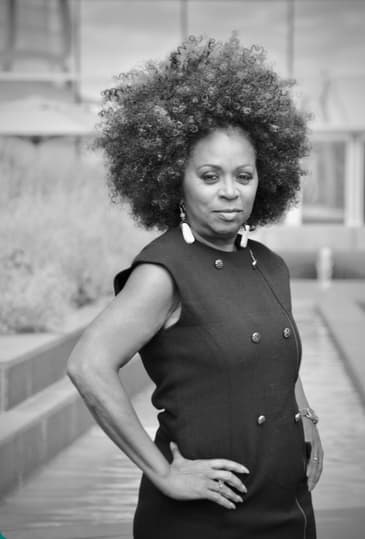
Michelle Petties joins G-Rex and Dirty Skittles for Part 1 of a powerful two-part conversation about food addiction, emotional eating, and the stories we carry around hunger. Michelle gets real about why “food noise” may actually be emotion noise — and why healing starts when we stop blaming ourselves and start getting curious.
Awards & Downloads Line
Sh!t That Goes On In Our Heads is a 2024 People’s Choice Podcast Award Winner (Best Health), 2024 Women in Podcasting Award Winner (Best Mental Health Podcast), 2026 Podcast Tonight Award Winner (Best Mental Health Podcast), and 2026 NYC Podcast Award Audience Choice Winner (Best Hosts), with over 4.5 million downloads and listened to in over 160 countries.
Feedback Link Line
We’d love to hear your thoughts! Leave us written or voice feedback here:
https://castfeedback.com/67521f0bde0b101c7b10442a
Mental Health Quote
“It’s not food noise. It’s emotion noise — and once you understand the story behind it, you can start taking your power back.” — Inspired by Michelle Petties
Episode Description
In Part 1 of this two-part episode, Michelle Petties brings truth, compassion, and a whole lot of “damn, I needed to hear that” energy to the conversation. Michelle is a TEDx speaker, Food Story coach, and author of Leaving Large – The Stories of a Food Addict. After gaining and losing more than 700 pounds over four decades, she learned that food addiction was never just about food.
G-Rex and Dirty Skittles talk with Michelle about emotional eating, shame, diet culture, and the sneaky ways food becomes tied to sadness, boredom, stress, celebration, and comfort. Michelle explains why what many people call “food noise” may actually be emotion noise — thoughts, feelings, and old beliefs begging for attention.
She also breaks down her “Brand New” framework and how belief, writing, rest, nourishment, alignment, and community can help people rewire their brains and change their relationship with food. This is not another conversation about willpower, restriction, or beating yourself up for eating the thing. This is about pausing, listening, and learning what you are really hungry for.
Michelle’s message is hopeful as hell: you are not broken, and you are not weak. You may just be carrying stories that need to be unpacked, rewritten, and released with compassion.
Keywords: Michelle Petties, food addiction, emotional eating, food freedom, diet culture recovery, body image healing, food story, emotional wellness, mindful eating, trauma healing, self-compassion, obesity recovery, mental health healing, brain rewiring, shame recovery
Meet Our Guest — Michelle Petties
Michelle Petties is a TEDx speaker, author, Food Story coach, and the award-winning, Amazon best-selling author of Leaving Large – The Stories of a Food Addict. After gaining and losing more than 700 pounds over four decades, Michelle created her Food Story method to help people uncover the beliefs, memories, and emotional patterns driving their relationship with food.
Website: https://LeavingLarge.com
Website: https://MichellePetties.com
Instagram: https://www.instagram.com/iambrandnewnow/
Facebook: https://www.facebook.com/Iambrandnewnow
YouTube: https://www.youtube.com/@iambrandnewnow
X: https://x.com/iambrandnewnow
Email: michelle@michellepetties.com
Media/Booking Email: iambrandnewnow@gmail.com
Key Takeaways
- Food noise may actually be emotion noise, asking for your attention.
- Emotional eating is not a personal failure. It is often tied to old stories, old wounds, and learned survival tools.
- Shame keeps people stuck, but awareness creates space for change.
- Food companies and diet culture can keep us blaming ourselves instead of understanding the system around us.
- Michelle’s “Brand New” framework helps people rethink food, hunger, belief, and healing.
- Writing, rest, hydration, and community can become powerful tools for food freedom.
Actionable Items
- Before eating, pause and ask yourself: “Am I hungry, or am I feeling something else?”
- Start an emotion log. Write down what you feel before and after eating without judging yourself.
- Pick one old food story you have carried for years and rewrite it with compassion instead of shame.
References Mentioned
Leaving Large – The Stories of a Food Addict by Michelle Petties
https://LeavingLarge.com
Michelle Petties’ Food Story work
https://MichellePetties.com
Brand New Now 52-Week Program
https://go.michellepetties.com/brand-new-now-program
Important Chapters
- 00:00:00 — Welcome to Part 1
G-Rex and Dirty Skittles introduce Michelle Petties and open the door to a two-part conversation about food, mental health, shame, and healing. - 00:03:25 — Dirty Skittles Opens Up About Food Noise
Dirty Skittles shares her experience with weight loss, GLP-1 medication, and the frustration of food noise returning. - 00:04:22 — Michelle Reframes Food Noise as Emotion Noise
Michelle explains why cravings and overeating often come from emotion, memory, and belief rather than physical hunger. - 00:08:38 — How Culture Teaches Emotional Eating
The group talks about how movies, shows, and social conditioning normalize turning to food when life gets heavy. - 00:13:13 — Michelle’s Story and Leaving Large
Michelle shares how writing her book helped her understand that food addiction was never just about the food. - 00:17:29 — Gaining and Losing Over 700 Pounds
Michelle talks about four decades of yo-yo dieting and what finally helped her stop fearing weight regain. - 00:18:53 — The “Brand New” Framework
Michelle introduces the principles behind becoming brand new, including belief, reinvention, alignment, nourishment, writing, and celebration. - 00:22:31 — Drink, Sleep, and Write
Michelle explains why water, sleep, and prescriptive writing can support emotional regulation and lasting change. - 00:26:05 — Question Everything You Eat
Michelle shares the questions she asks before eating and how that pause helps her stay connected to her body and her choices.
Closing CTA
Subscribe, Rate, and Review!
Remember to subscribe for more inspiring stories. Rate and review us on your favorite podcast platform, or visit our Website:
https://goesoninourheads.net/add-your-podcast-reviews
#MentalHealthPodcast #MentalHealthAwareness #Grex #DirtySkittles #Podmatch #MichellePetties #FoodAddictionRecovery #EmotionalEating #FoodFreedom #DietCultureRecovery #BodyImageHealing #FoodStory #EmotionalWellness #MindfulEating #TraumaHealing #SelfCompassion #ObesityRecovery #MentalHealthHealing #LeavingLarge #BrainRewiring
***************************************************************************
If You Need Support, Reach Out
If you or someone you know is facing mental health challenges, please don’t hesitate to reach out to a crisis hotline in your area. Remember, it’s OK not to be OK—talking to someone can make all the difference.
- United States: Call or Text 988 — 988lifeline.org
- Canada: Call or Text 988 — 988.ca
- Worldwide: Find a Helpline
- Mental Health Resources and Tools: The Help Hub
Stay Connected with G-Rex and Dirty Skittles
- Official Website: goesoninourheads.net
- Facebook: @shltthatgoesoninourheads
- Instagram: @grex_and_dirtyskittles
- LinkedIn: G-Rex and Dirty Skittles
- Join Our Newsletter: (https://grexanddirtyskittles.substack.com/)
- Merch Store: goesoninourheads.shop
Audio Editing by NJz Audio
Hosted by Simplecast, an AdsWizz company. See pcm.adswizz.com for information about our collection and use of personal data for advertising.
[00:00:00] Hey y'all, this is part one of a two-part episode. Hey there listeners, welcome to Sh!t That Goes On In Our Heads, our podcast where we normalize conversations around mental health. That's right. I'm Dirty Skittles and alongside my amazing co-host, G-Rex, we're here to share stories and tips from our incredible guests.
[00:00:23] Each episode, we deep dive into struggles and triumphs of mental health, offering practical advice and heartfelt support because no one should feel alone in their journey. Join us as we break the stigma and build a community of understanding and compassion. Tune in and let's start talking about the shit that goes on in our heads. 3, 2, 1. Welcome back to another episode of Sh!t That Goes On In Our Heads.
[00:00:52] I'm here with the awesome Dirty Skittles and today we have an amazing guest, Michelle. Welcome to the podcast. Welcome. I am so excited to be here. Gee, your energy. Like, this is the life I needed. I was so tired earlier and I was telling G-Rex, I'm like, I'm exhausted, I gotta make coffee, I gotta get in it. But your energy is infectious. Then my work here is done. Episode over. Y'all. Y'all. That's funny.
[00:01:22] I am. You know, my people, the people in my group tell me, Michelle, we heard you in our head. We heard you in our head. So I guess, I guess I'm like an infection. Oh man. I love the infectious though. Because we needed it. Yes. We needed the energy. We needed it. This girl here in the middle needs all the energy she can get. Okay.
[00:01:45] Me, on the other hand, listen, I've had a coffee, I've had a Coke, I had a water, I just had some fantastic- A friend of mine made me some cinnamon bread focaccia. Okay. With a girl, that shit was good. I could have eaten the whole pan. I'm like, nope, I need to walk away. High gluten. High gluten would get me. Hey, I'm not the one who's got a problem with gluten. That was you and my wife. Listen, I can sit and eat a whole fucking loaf of bread and not eat shit.
[00:02:17] I mean, I would eat it too. I would just hate myself after, feel horrible. But- That was me in the old days, but not today. Okay. All right. That was me in the old days. I tell you, I never passed up a basket of those red lobster cheddar bay biscuits. The cheddar bay biscuits. Okay. Until I, you know, got some awareness and consciousness and learned the truth and now it's pretty easy to do. Okay. Yeah. I am getting better at it.
[00:02:48] I, like I had made a joke like in a really early episode of this podcast where I don't even remember how we got on the subject of like a lot of people turn to food for comfort. And I, through, you know, self-awareness have learned that I don't necessarily use it for comfort. I more so would turn to food if I was sad, mad, or just even bored. And I always had a hard time kind of turning off the food noise. Right.
[00:03:16] And like, I would just overeat, overeat, overeat because it tasted good and not because I was full. So learning all of that stuff. But I had made a joke that like, I wouldn't, I don't just have like the cheat day of like the one donut. I would overindulge and have like three dozen donuts. And like, that was how I knew I, that don't work for me. I can't do that. Of course. It's just, it's really shitty.
[00:03:40] Also, side note, I have to say, I am very curious to get your thoughts on speaking of food and like food noise. I just recently went through a whole journey of weight loss because perimenopause, hormones, all this shit, right? But my doctor put me on a GLP-1, fine. Here's what really sucks though. Coming off of a GLP-1, the food noise returns.
[00:04:07] So you never really learned how to deal with the problem, right? Like you're just full and so you're not thinking of food. But then when you're back to normal eating standards, it's food like constantly. It's very sad and annoying. So what are your thoughts on that? Yeah. Yeah. You know, it's, you know, it, Dirty Skittles. I love that name by the way. You know, to me, it really is beyond sad. You know, it's tragic on so many levels. And on another level, I think it's criminal.
[00:04:36] Mm-hmm. Um, and so if you don't mind, I want to go back and, um, yeah. About something that you said. You talked about the food noise, right? Mm-hmm. I would suggest to you that it is not food noise. I would suggest to you that it is emotion noise. Mm-hmm. But it's connected to the food so the food gets the credit. And that's what happens in this emotional eating space and why what you just said is such a tragedy.
[00:05:05] It's that for people that admit and know and understand that they are emotional eaters, and we are all emotional eaters, by the way. Mm-hmm. Because eating is an action. Eating is a behavior. And every action and every behavior is preceded by some thought, emotion, and feeling. So it's grounded in that. But we always talk about emotional eating from this place of disempowerment. That's one reason why I really don't like the phrase, right? Mm-hmm.
[00:05:30] But what's wrapped up in it is this, is that I am feeling some kind of way. Mm-hmm. Whatever the feeling is. I mean, it can be excitement. It could be happiness. It could be joy. It could be sadness, loneliness, boredom, stress, anxiety. Pick one. Mm-hmm. I'm feeling some kind of way, and I don't have the tools to express that in a way that's healthy. So I go to the food that's connected to it.
[00:06:01] And that's not a conscious road. It's an unconscious road, which is why it's so hard, right? Yeah. Because we're not conscious that we're just eating. We're just, next thing you know, we're standing in the refrigerator. Next thing we know, the basket of bread is gone. Right? So, but this diet industry, this world, really keeps us focused on how much can I eat and what can I have food? Mm-hmm.
[00:06:27] And when your focus is just on the food, you miss the root cause, which is the belief. Mm-hmm. And so it is not changing your behavior for any of us, but that's what they tell us. It is changing our beliefs. Because when we change our beliefs, we change our brain. And we change our brain and we change our thinking, our body has to follow. Mm-hmm. And so the noise that we hear is our thoughts about the food, not the food itself.
[00:06:56] Because food doesn't have any power, right? So it's emotion noise. So when the thought comes up, we have to do the work of going to what it's connected to and learning how to calm it. And that's writing, that's visualization, that's information, that's meditation. It's all the things that we aren't taught to do, but are invisible. That's why it seems so impossible. Because this work of doing the impossible, we can get into it when we learn how to do those
[00:07:24] invisible things and we aren't taught wholesale how to breathe, how to calm ourselves, how to create some space between that noise and the need to react to it. Because we feel like we always have to be acting. We aren't taught the pause. We aren't taught the reset. We aren't taught that it's okay not to do anything, that we don't have to get into every single urge that we feel, right?
[00:07:48] But the bigger piece of it, and I'll stop anytime, is that advertisers know this. The people that manufacture the processed food, the snack food, the junk food, the bread, the cookies, the chips, all that stuff, they know that. And so they are constantly sending us messages to amplify it. And we don't understand that the messages that they're sending us is having an impact on
[00:08:13] our brain to eat when we're not hungry, to eat in response to an emotion rather than our physical needs. We can't separate it because they want us to be confused. Because as long as we're confused, they'll sell more of it. Yeah. No, it's true.
[00:08:40] Like think about like, well, I can only, I guess, use my own world examples, but I remember like watching like movies or watching shows or anything. And it was like, the woman was sad. And so like the first thing she did, like her girlfriends would come over and they would eat ice cream. Yes. And there was like, we have to have the ice cream. We're going to sit here. We're going to cry. Like we're going to go through this thing. And yeah, I remember thinking like, oh, okay, well, like that's normal to be sad. And then to just turn to food. And then before you know what the whole pint of ice cream is on and you feel fine.
[00:09:10] And like, no, it never really works out. And it's tough, right? Like I get what you're saying. Cause it's true. Like for me now, like off of the GLP ones and like learning a healthy relationship with food has been pretty difficult. And I know like in the moment where like, I want to indulge or I want to like binge eat the thing. It's not cause I'm hungry and it bothers me. Like, like I'll sit there and be like, dude, what the fuck?
[00:09:37] Like why is this consuming me? It's a couple of things. I mean, it's a layer. It's a layered answer, but I can go to like some top line things. First of all, it's learned. It's a habit. And second of all is this, and this is one a lot of people don't even realize is that they engineer the stuff to be addictive. So the sugar is more addictive than cocaine. There's also some that supports it and it isn't everything.
[00:10:04] Well, most everything, but there's no reason for sugar being ketchup. It's not more of it. Right. Right. There's by nuts. Right. I eat nuts, but some of them just, you think it's just plain nuts. You look at this guy, sugar in it. It is so it is everywhere. It's pervasive and it's not even food. It is just a high calorie addictive substance that breaks down every cell in our body, every organ in our body, sugar attached attacks, yet it's in everything.
[00:10:33] But we aren't given that information. We're just programmed to eat based on pleasure and not nutrition. And so in order for us to get our lives back, we have to reprogram ourselves to eat in a way that supports our life rather than kills us every day. Yeah. You know, it's funny how you said like sugar isn't everything. Did you realize how much wheat isn't everything? Oh, like why does wheat need to be in soy sauce? I just would like to know. Absolutely.
[00:11:02] Why does it need to be in Nutella? Absolutely. Because that's something that I notice. My wife is gluten free. And you know, like a lot of those foods that she loved like 15 years ago, we can't, she can't have anymore. I, on the other hand, can eat it all day, every day. But like, you know, for people that they don't even realize, like you have to look at the label. You have to. You absolutely have to look at a label. Like, why the fuck do we have wheat?
[00:11:33] Wheat was in some crazy thing the other day. I'm like, why? Yeah. Why? Number one, why? And number two, like, why didn't you use like corn flour or almond flour or whatever? It's been a journey. Cheap. Yeah. Cheap. That's right.
[00:11:53] But you know, what's interesting is if you go to Canada, or Europe, or any place else but the United States, like you get good, clean food. Yeah. Yeah. And that's like one of the things we miss about not being able to go to Canada right now is, like, I can go grocery shopping up there and I can take like what I bought here in the US and same exact thing. Same name brand in Canada.
[00:12:22] It's two totally different ingredients. Absolutely. Absolutely. Yeah. And I mean, I think that what we are doing to our bodies here in the US, like we're killing ourselves. And so here's the thing, G-Rex, is that it's being pushed on us. We don't even know it.
[00:12:40] So that's really part of one of my biggest messages in my coaching with people is that, you know, we are taught to take on so much blame and shame around what we eat and why we eat and how we eat. And it's not our fault. It's not all this misinformation and toxic food has been pushed on us since before we were born. And so, I mean, we've been moving around in the dark and we don't even know what we don't know.
[00:13:08] I mean, I didn't know what I didn't know when I first, like, here's the story, y'all. So when I first wrote my book, Leaving Larger Stories of a Food Addict, I knew it wasn't about the food. And that was my tagline. It's not about the food. It's about the story behind the food. But I didn't know all the stories, right? I didn't know all the stories. And I just wanted to wear cuter clothes. I mean, it wasn't a health issue for me.
[00:13:35] It wasn't, you know, I was pre-diabetic, right? But I didn't, it wasn't even like that was real, right? It wasn't, it just wasn't a health move. I didn't connect my weight in my, I didn't have high blood pressure. I didn't have, but here's what I know now, all that stuff was coming for me. It just hadn't showed up. It was coming. It was coming. I was fortunate enough to get in front of it. But what, and when I say it's not our fault, here's what I didn't know.
[00:14:05] And this is what, this is what broke everything open for me. Is I started doing some research. And what I found out again about the processed food, right? My book, Leaving Largest Stories of a Food Act. We need food, right? We need, but we need whole nutritious, real food, not the processed food, because the processed food is not even really food. It is drugs.
[00:14:30] And it acts in our bodies and our brains as drugs, but it has been pushed off on us as food for years. And it is destroying our cognition, our ability to think cognitively. I didn't know, I didn't know that or understand that all. But here's like the bigger thing that I didn't understand is that in the eighties and y'all, maybe you already know this. I don't know. But if I, if you do know it fine, if you, I'm happy to repeat it, but maybe listeners might know it.
[00:14:54] In the eighties, when the big tobacco companies started to be regulated, right? And they had to pull, they had to pull back, you know, because it was killing people, right? It was, I think at some point, two thirds of the population was smoking. They were smoking the cigarettes and it was killing them. Mm-hmm. The tobacco companies had to do something. So here's what the tobacco companies did. And you can look it up. There's all sorts of research and stories. They bought into the snack food and junk food companies.
[00:15:21] They bought into, they bought, got them wholesale, but they became a part of it. And they took their addiction business model to the snack food companies and the junk food companies. It's a business model. So they made the food, they formulated to make them addictive like cigarettes. They made it cheap. They made it available. They started early programming kids. It's a precious commodity, right?
[00:15:50] And so now that was in the eighties. So here now we are 50 years later with a big problem. Mm-hmm. And what we have is this, is that we have those folks that are in charge at Big Pharma, they are on the boards of the fast food companies, the stack food companies, the junk food companies. And those same people, the leaders at the junk food companies, the manufacturers, they're on the boards of Big Pharma.
[00:16:19] So they're feeding the stuff that's going to kill us. They make the drugs that we, and make us addicted to the drugs and stuff that will never, that will never help us solve the problem. Mm-hmm. And it, I mean, that's, that is wrong on so many levels. Mm-hmm.
[00:16:41] And, you know, I'm just on a mission for people to know and understand the truth and take their power back, to take their power back and take their lives back because these people are trying to kill us. Mm-hmm. How did you get into this? Like, how did you learn about it? Learn about the backstory? Yeah, like why look into it, right? If you were struggling with food, like how did that transition happen for you?
[00:17:08] Just so, you know, once I wrote my book, right? Mm-hmm. Once I wrote my book, I started moving in different circles, right? Mm-hmm. I started moving in different circles. I started reading. I started to understand. And part of it was this. After I wrote my book, I developed a coaching program because everybody was coming to me like, how did you do it? How did you do it? How did you do it? Right? And so, and I, you know, in my, from the time I was 20 until the time I was 60, I gained and lost over 700 pounds. I was a yo-yo diet.
[00:17:38] Lose 30, gain 40. Lose 40, gain 50. That was my, that was the torture of my life for decades. Mm-hmm. For decades. And so, in 2019, when I figured out how to do it, and I'm the same size now as I was when I lost weight in 2019. Same size now. My book's been out five years. And here's the thing. I don't worry one day, not one day, not ever about gaining the weight back. That's.
[00:18:01] And the reason I don't is because I figured out how to rewire my brain so that I could manage my emotions and so I could understand what real food is and live in those choices every day. Mm-hmm. And that's what I teach people how to do. How to rewire their thinking, right? Yeah. To become aligned, to change your belief system about food.
[00:18:26] Because as long as I was thinking that food was pleasure, I was going to lose the weight and go back to eating them in the same way. But once I started thinking and believing that food was nutrition and nourishment, it completely upended how I thought about food. And so the decision is, really, is to have this understanding that everything we eat, everything that we eat, everything that we drink, is going to hurt us or it is going to heal us. It's not neutral. Mm-hmm.
[00:18:53] It is going to cure us or it is going to kill us very slowly and eventually. Mm-hmm. And so I started thinking and that asked me what I did. So my process is this, is my platform is built on what I call being brand new.
[00:19:10] And it's about having brand new thinking about food, eating, and hunger, which you have to learn because we have been taught and conditioned to think about food, eating, and hunger in ways that do not support and honor our health and bodies. All right? So we have to learn the new ways. And that takes support, that takes community, that takes time, that takes being willing to fail, knowing that you can do it. So the first thing is you got to believe. That's brand new. That's the B and that's the B. You got to believe that it's possible, right?
[00:19:39] You have to believe that it's possible and you have to believe that good health is for you, that it's available to you. And knowing and learning how to live in that belief all the time, no matter what's being served. Right? Then you have to rise up and reinvent. So we all have these stories around food. And that's what my book is about. These old stories that drove my behavior.
[00:20:02] So we have to go back and look at those stories, unpack those stories, find out where they came from, what they mean, what meaning we're attaching to those stories, and create new ones for ourselves. Create new stories, right? And then start to live in those new stories. So we write those. That's why our program is a writing program. Because we're in the writing, you're rewiring your thinking and your brain. It's not for everybody. I don't, it's just, it's not. But if you're ready to do that kind of work for transformation, it is.
[00:20:43] And then the third is A, which is alignment and accountability. Right? And that's, you know, and so when you start making choices from alignment, because it's just who you are, then you're not forcing. You're not using willpower. You're not using self-discipline. You're not using self-control because you are changing who, it is just like, you know, the Hindu people. Right? They don't eat cows because the cows are sacred to them. You can take them to Ruth Chris. You could take them to Montana Steak. I'm from Texas.
[00:21:13] You can take them to the finest steakhouse in Texas. They're not going to eat the prime rib. They're not going to eat the filet mignon. They're not going to eat any of that. It doesn't mean anything to them. It may as well be dirt. Mm-hmm. Because their belief system says cows are sacred. We don't eat them. And so you can't tempt them. You can't sabotage them. They're not using willpower or self-control not to eat it because they have no desire for that. And we all can do that.
[00:21:38] We all can change our minds to that same level so that we have no desire to eat that which will harm us. But it comes from alignment. Right? It comes from alignment. The next principle is N, which is nutrition and nourishment. And so we go into a deep dive into the sugar, into the corn, into the flour, into the fats, into the dairy and eggs. And I don't give people a food plan.
[00:22:02] So it's not about the food plan, but it is about understanding what you're eating and what it's doing to your body and paying attention to what your body is saying. Because they want us to be unconscious. They want us to be aware. They just want us to snack and go, grab and go. Right? Grab and go. And then the third is DSW. That's the D. Drink, sleep and write. DSW. Not shoes. I know we're, you know, I don't know if you're a shoe person.
[00:22:26] But it's all the things that I didn't do for 40 years when I would lose weight and gain it back. I never drank the water. I never got to sleep. I never did the writing. But as soon as I started doing those things, it helped me with impulse control. Right? It helped me with self-evaluation. It helped me with pausing. It helped me with resting. It helped me with all those things that I needed in order to manage the food and the emotion. I didn't understand.
[00:22:55] I didn't, you know, I used to get mad. I'm on this diet. I got to drink it all. I got to drink all this water. I'm always going to the restroom. Are you right? I'm mad because I had no idea. Inconvenient. Yeah. It was inconvenient. But I didn't understand that the more I was peeing, right, the more I was going to the restroom. Right. That's how I was releasing the toxins from my money. That's the weight. That was the weight coming off. I was like, hell, if I had known that I'd just never leave the bathroom. I'd just stay in the center of a gun.
[00:23:25] Set up shop. Just sit here and drink and pee. Right. I love you. But I never got to sleep because I never really understood that food addiction, obesity is disease. And the way that we heal disease, the way that we address disease is through rest. And when we sleep, our body is repairing our sleep. You know, we need it. Right. We needed to navigate everything during the day. Right. I didn't understand that.
[00:23:52] And my God, I didn't understand the power of writing. And what I teach people is not to keep a food log, but I will ask people to keep an emotion log. Right. It's not. But that's you can. But that's not what I teach. So a food log, not even journaling, because journaling is just this is what's happened. Right. What I teach and what I use is something called prescriptive writing. And that is writing for healing. Right. Because I just said, you know, we're dealing with food addiction, obesity is a disease.
[00:24:20] But giving people specific prompts around specific emotions and specific foods to get them on the path to pull back the layer of the barrier, the barriers that they're dealing with, to take them some places that in a way that they never thought about going. Right. So that's that writing, that trifecta, drink, sleep and write. So powerful. New in is no is the new yes.
[00:24:46] We have to decide and stand in what we want to say yes to. So our nose will be powerful. Right. If we want some new stuff, we got to say no to some old stuff. We can't. Right. We can't. We can't heal in the same place that hurt us. So we've got to say no to that old place so we can step into the new place. We've got to say no to the darkness so we can step into the light. And we have to do it in community because we cannot do it by ourselves. And we get stuck because addiction will tell us you should be able to do it by yourself.
[00:25:16] What's wrong with you? You're weak. You're going to fall down just like you did before. All that old doubt. Right. All those old stories. That's addiction lying to us. Mm hmm. But if you're in a community with supportive people, they'll let you know that the dictionary is a liar. They say, come on over here, sis. Come over here to the truth. We got you. It doesn't matter. It doesn't matter if you it doesn't matter if you ate the macaroni and cheese last night. It's a new day. Right. The learning part of growing is making some mistakes.
[00:25:47] Right. Sometimes you're going to do it, but you've got another chance. It doesn't make you a failure. It just means you're learning. And so when we start to learn how to reframe all this is just learning. That's the work. And then finally, if this step right here, the E, evaluate, ask and think. I teach people to question everything they put in their mouth. Well, I do it today before everything I eat, before everything I drink. I ask, am I hungry or am I something else? Is this real food?
[00:26:16] Why this food now? Do I trust where it came from and why? Right. Just quick little quick little questions that give me a pause. Is this going to give me the body I say I want? Is it going to give me the health I say I want? Is it going to give me the brain I say I want? So those kinds of questions always being in question. Right. And then finally, the W is wow, because if you do all that stuff I just said, you need to celebrate. Right. Because sometimes we don't do that.
[00:26:45] I deal with it every day. Oh, I just lost a pound. What? Are you kidding me? Oh, yeah. I really wanted to lose five, but I only lost one. That sounds familiar. Hey, all. Thank you so much for listening to this episode. I'm G-Rex. And I'm Dirty Skittles. Don't forget to subscribe, rate and review this podcast. We'd love to listen to your feedback. We can't do this without you guys.
[00:27:25] It's okay to be not okay. Just make sure you're talking to someone. I'm G-Rex. I'm G-Rex.