
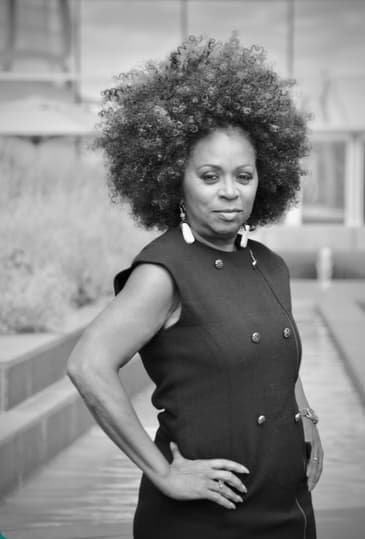
In Part 2, Michelle Petties returns with G-Rex and Dirty Skittles to talk about body trust, self-care, fear-based eating, and what it really means to live after diet culture. This conversation is honest, practical, and full of reminders that healing does not require perfection — it requires support, awareness, and the courage to keep getting back up.
Awards & Downloads Line
Sh!t That Goes On In Our Heads is a 2024 People’s Choice Podcast Award Winner (Best Health), 2024 Women in Podcasting Award Winner (Best Mental Health Podcast), 2026 Podcast Tonight Award Winner (Best Mental Health Podcast), and 2026 NYC Podcast Award Audience Choice Winner (Best Hosts), with over 4.5 million downloads and listened to in over 160 countries.
Feedback Link Line
We’d love to hear your thoughts! Leave us written or voice feedback here:
https://castfeedback.com/67521f0bde0b101c7b10442a
Mental Health Quote
“Once you learn how to trust your body, your voice, and your choices, you do not have to crawl back into the old story.” — Inspired by Michelle Petties
Episode Description
In Part 2 of this two-part episode, Michelle Petties takes the conversation deeper into body trust, emotional healing, self-care, and life after diet culture. G-Rex opens up about her type 2 diabetes diagnosis, the fear that came with it, and the changes she made to support her health. Dirty Skittles shares something many people silently carry: the fear of gaining weight back and losing the version of yourself you worked so hard to become.
Michelle meets that fear with compassion, lived experience, and no-nonsense wisdom. She explains why transformation is not about white-knuckling your way through cravings. It is about belief, writing, visualization, affirmations, community, and learning to listen when your body says, “This does not work for me anymore.”
The conversation also delves into grocery-store triggers, food packaging, advertising, social pressure, and why self-care is not selfish. Michelle reminds us that people are not failing because they are weak. They are often trying to heal in a world that keeps pushing them back toward old habits.
She also shares powerful lessons about falling down, getting back up, and learning to trust yourself the way a child trusts that walking is possible. It is not about never messing up again. It is about knowing you can recover, reset, and keep choosing the life and body you want to live in.
Keywords: Michelle Petties, body trust, emotional healing, diet culture recovery, food addiction recovery, emotional eating, self-care, food freedom, weight regain anxiety, body image healing, mindful eating, self-compassion, mental health recovery, trauma healing, personal transformation
Meet Our Guest — Michelle Petties
Michelle Petties is a TEDx speaker, author, Food Story coach, and experiential eating expert whose work helps people answer the question, “What are you really hungry for?” Through speaking, coaching, writing, and her online community, Michelle supports people in moving away from shame-based dieting and toward sustainable, compassionate transformation.
Website: https://LeavingLarge.com
Website: https://MichellePetties.com
Instagram: https://www.instagram.com/iambrandnewnow/
Facebook: https://www.facebook.com/Iambrandnewnow
YouTube: https://www.youtube.com/@iambrandnewnow
X: https://x.com/iambrandnewnow
Email: michelle@michellepetties.com
Media/Booking Email: iambrandnewnow@gmail.com
Key Takeaways
- Self-care is not selfish. Ignoring your own health can cost you and the people who love you.
- Fear of gaining weight back is real, but it does not have to control your choices.
- Writing, affirmations, visualization, and community can help reinforce a new identity.
- Grocery stores, packaging, and advertising are designed to trigger impulse decisions.
- Falling down does not make you a failure. It means you are learning a new way to live.
- Body trust grows when we stop confusing emotion, desire, and actual hunger.
Actionable Items
- When fear shows up, write this down: “What am I afraid will happen, and what support do I need right now?”
- Practice Michelle’s pause before eating: “Is this hunger, or is this the desire to eat?”
- Pick one self-care habit this week — water, sleep, writing, or rest — and treat it like a non-negotiable appointment.
References Mentioned
Leaving Large – The Stories of a Food Addict by Michelle Petties
https://LeavingLarge.com
Michelle Petties’ Food Story work
https://MichellePetties.com
Michelle Petties YouTube Channel
https://www.youtube.com/@iambrandnewnow
Important Chapters
- 00:00:00 — Welcome to Part 2
G-Rex introduces Part 2 of Michelle Petties’ conversation and brings listeners back to the show's mental health mission. - 00:00:40 — G-Rex Shares Her Type 2 Diabetes Wake-Up Call
G-Rex talks about being diagnosed with type 2 diabetes, taking Metformin, working with a nutritionist, and changing her relationship with food. - 00:04:09 — Michelle Explains Why We Are Pushed Into the Trap
Michelle talks about food marketing, diet advice, and why people are not given enough tools to fight daily messaging around food. - 00:06:36 — Grocery Stores, Packaging, and Food Triggers
The group discusses how even “healthy” areas in stores are surrounded by temptation, labels, and emotional triggers. - 00:10:16 — Self-Care Is Not Selfish
Michelle reframes self-care as necessary and explains why neglecting ourselves affects the people who depend on us. - 00:12:02 — Dirty Skittles Shares Her Fear of Gaining Weight Back
Dirty Skittles opens up about holding on tightly to her new version of herself and worrying that old patterns could return. - 00:12:16 — Visualization, Affirmations, and Writing
Michelle explains how invisible work can rewire the brain and help create long-term transformation. - 00:14:23 — The Caterpillar and the Child Learning to Walk
Michelle shares powerful metaphors for transformation, belief, and getting back up after setbacks. - 00:21:27 — Hunger vs. Desire to Eat
Michelle explains the difference between real hunger and eating out of emotion, pleasure, or conditioning. - 00:28:50 — Advice to Her Younger Self
Michelle says she would tell her younger self to listen to her grandmother, especially around rest, water, food, and wisdom. - 00:30:22 — The Hardest Lesson
Michelle shares that staying focused, choosing one thing, and remaining present are ongoing lessons in her life. - 00:31:53 — Anxiety Theme Song and Favorite Words
Michelle talks about control, overwhelm, her favorite word “perfect,” and why she cannot stand the phrase “it is what it is.” - 00:34:16 — How to Find Michelle
Michelle shares where listeners can connect with her, buy her book, and join her community.
Closing CTA
Subscribe, Rate, and Review!
Remember to subscribe for more inspiring stories. Rate and review us on your favorite podcast platform, or visit our Website:
https://goesoninourheads.net/add-your-podcast-reviews
#MentalHealthPodcast #MentalHealthAwareness #Grex #DirtySkittles #Podmatch #MichellePetties #BodyTrust #DietCultureRecovery #FoodFreedom #EmotionalHealing #FoodAddictionRecovery #MindfulEating #SelfCareMatters #EmotionalEatingRecovery #BodyImageHealing #WeightLossMindset #MentalHealthRecovery #SelfCompassion #LeavingLarge #WomenAndWellness
***************************************************************************
If You Need Support, Reach Out
If you or someone you know is facing mental health challenges, please don’t hesitate to reach out to a crisis hotline in your area. Remember, it’s OK not to be OK—talking to someone can make all the difference.
- United States: Call or Text 988 — 988lifeline.org
- Canada: Call or Text 988 — 988.ca
- Worldwide: Find a Helpline
- Mental Health Resources and Tools: The Help Hub
Stay Connected with G-Rex and Dirty Skittles
- Official Website: goesoninourheads.net
- Facebook: @shltthatgoesoninourheads
- Instagram: @grex_and_dirtyskittles
- LinkedIn: G-Rex and Dirty Skittles
- Join Our Newsletter: (https://grexanddirtyskittles.substack.com/)
- Merch Store: goesoninourheads.shop
Audio Editing by NJz Audio
Hosted by Simplecast, an AdsWizz company. See pcm.adswizz.com for information about our collection and use of personal data for advertising.
[00:00:00] Hi all, this is part two of a two-part episode. Hey there listeners, welcome to Sh!t That Goes On In Our Heads, our podcast where we normalize conversations around mental health. That's right. I'm Dirty Skittles and alongside my amazing co-host, G-Rex, we're here to share stories and tips from our incredible guests.
[00:00:24] Each episode, we deep dive into struggles and triumphs of mental health, offering practical advice and heartfelt support because no one should feel alone in their journey. Join us as we break the stigma and build a community of understanding and compassion. Tune in and let's start talking about the shit that goes on in our heads.
[00:00:46] When I was diagnosed as a type two diabetic, they put me on metformin and it scared the fuck out of me. Literally. My sugar was so out of control. So I did the whole metformin thing, went and saw a nutritionist, and she went over the same stuff that you did. I mean, they were freaking awesome. I will remember that I had gone to my office and like, I was known as like grandma with the cookie and candy drawer.
[00:01:14] Like we cleaned out all that shit. Like I had ding-dongs and Twinkies. And that like my, you know, my co-workers really helped me. And so six months later, I came off the metformin. I've never gone back on. Good for you. My numbers went down and I've still continued to keep that weight. But I do a little bit of what you do now, more so this year than I probably did last year, is I really think about what I'm putting in my mouth.
[00:01:43] Like I wanted a little sweet treat. We've been recording all morning. I wanted a little bit of sweet tweet treat. So I had that. A sweet tweet. A sweet tweet. A sweet tweet. Like, you know, ticky-tocky. But I also drink a lot of water. I will probably drink five of these bottles a day. I drink so much water. I have to reach far, but I do have one. It's not open yet, but it's here.
[00:02:11] You know, like my wife doesn't like to drink water, but I drink a lot of water. And it scared me so much that I really started to think about like what goes into my body. So we've been up here for six years now. Yeah, it'll be six years and a couple of days. I have, I lost over a hundred pounds since we moved to upstate New York. Number one, I don't have the stress.
[00:02:37] Number two, I, you know, I started working for myself, which is amazing. And we have stairs. Okay. So I constitute that as fucking exercise, whether I want to or not. But I have to credit like Dirty Skittles, right? Because sometimes, no, like not even sometimes. If I happen to have a code red Mountain Dew, she will give me the most amount of shit out of anybody. It is not good for you. It is not good for me.
[00:03:05] But because you did that, I've really tapered off on them for a couple of reasons. One, because it made my, I was getting started to get heart palpitations. And number two, I was like, shit, I'm drinking like antifreeze. So, you know, thinking about the things I put in my body and we live in really rural upstate New York. So there's tons of farmer market, farmer's markets up here. So I'm eating cleaner food. Mm-hmm. And my, and I credit my wife for that.
[00:03:33] I mean, she is really all about like organic, eating good clean food, making sure that, you know, I'm getting my water in me. But I can see how people can fall into those traps. Because I did. Of course. For, you know, let's see, it's been 10 years. Yeah, about 10 years. So like for 50 years, I was putting crap in my body every single day and like didn't think twice about it.
[00:04:01] Now, I'm like, well, you know what? I don't want to do that again. Yeah. Because it sucked and it scared the hell out of me. Yes. Yes. And you know, G-Rex, you said something. You said we fall into this trap. I would suggest to you that we are pushed into this trap. Mm-hmm. We are pushed into this trap. Last year, I did a, I spoke at the World Obesity Congress. And, you know, I'm a woman that's figured it out, right?
[00:04:31] You know, I'm a, almost, I'm a, well, in a couple of weeks, a 68-year-old black woman who's supposed to have high blood pressure, who's supposed to have diabetes, who should be overweight, who should be, should be all of these things, right? And so I'm there talking, not because I don't have a degree in any of this stuff. You know, I went to school and studied speech, right? I'm a writer. Mm-hmm. But, I'm, this is lived experience.
[00:05:01] This is lived experience. So I'm there, I'm talking to these doctors, I'm talking to these researchers, I'm talking to these scientists about, and they're, they're talking about the GLPs and the procedures and this and that. All valid, all real, I understand. But here's like, here's the thing that they don't really get and I don't think people get.
[00:05:20] It's like you go to the doctor, you go to the nutritionist, and they sit down with you for, you know, 15 minutes or an hour if you're lucky, and they give you a meal plan, right? And this, eat the this, don't eat the that, the blah, blah, blah. Drink some water, get some sweets, stay away from the fried fruits, don't eat sweets. You know, they might have journal on there, you know, get some exercise and come back and see me in six months. And so you walk out armed with this piece of paper, right?
[00:05:48] But when you've just had your 15 minutes to an hour with this person, and you walk out into the world, and you are immediately bombarded with 15,000 messages, 15,000 messages every day that say, buy one, get one, it's good, you know, right? Hot and ready. I mean, all the stuff that's flashing.
[00:06:17] And you aren't given the tools to combat this stuff. They're saying, eat it now. Get big portions, you know, buffet, you know, all you can eat buffet. All that stuff is coming at us all the time, and we see it all the time. It is relentless. It is relentless. And so we're supposed to fight all of that stuff on our own based on this little sheet of paper.
[00:06:43] We just spent 30 minutes with the doctor with them saying, well, you know, follow this plan. How? How? How? When they tell you, all right, when you go to the grocery store, just shop on the perimeter. Yeah. But you know what? They put stuff in the perimeter. Right? You're over there. You're looking at the strawberries. And then there's a shelf. And it's like, yeah. Yeah. I started to notice that. I'm like, wait a minute.
[00:07:11] I'm like, why am I seeing like chips or like fried stuff next to the fruit? Right. Exactly. Or they'll have the thing and then they have the chocolate sauce. Or they'll have the bananas and then they'll have the vanilla wafers. They'll have all that. It's not even safe there. Yeah. Right? It's not safe. The candy trail mix next to the bananas. Yeah. You're like, what the fuck? Yeah. I got here. We got some trail mix with M&Ms in it.
[00:07:41] Yeah. Four different kinds of chocolate and pistachios. And peanut butter that has sugar in it. Oh, yeah. They sneak in the little crunchies that are filled with peanut butter in your nuts. Yeah. It's a good time. So, and then the packaging is all attractive. And then it will say a healthy source of something on the front. And then you're tricked into not reading the back that has 15 things on it that you cannot describe. No.
[00:08:10] That you cannot pronounce. So, you know, we have to be vigilant every day. And that's why I say it's not our fault. Right? Because we're just kind of pushed out into this environment without any sort of protection. We're not. Yeah. Yeah. No, it makes sense. And I mean, I can relate to that. Like I went to the nutritionist for two years and we analyzed everything that I was eating
[00:08:39] and, you know, all this shit. But it gets overwhelming to a point because then you get home and you're like, okay, I have this paper, like a list of approved foods. And it makes sense. You're looking at it like, yeah, this makes total sense. But you can't necessarily, like you said, like I wasn't prepared for everything in my environment, everything around me, like going to the grocery store, like, yeah, okay, I'm going to go buy green beans. But like, oh, look at all this other stuff that like, yeah.
[00:09:08] Look at that shiny object. Ooh, that looks delicious. Yeah. You walk by the bakery. They're like, would you like a fresh roll? You're like, of course I would. Why wouldn't I? So yeah, it's very hard. But the other thing you have to think about is like, it's not just that you're feeding, right? Because you have a family. Yeah. And like, are they going to eat this? Like nine times out of 10, the answer is a big fat fucking no. It's so funny. No, I'm not eating this. It's so funny you say that. I was somewhere and they were doing like this thing, like, well, you know where they stop
[00:09:37] people and they're like, hey, tell us like your deepest, darkest secret or whatever. It was like something like that. But instead it was right on a piece of paper, a confession. And what I ended up writing was my son eats healthier than I do because I put it in my brain of like nutrition. I want to make sure he has this balanced meal. And then by the time that's done, I'm like, okay, what is left? What can I eat? Because I'm hungry and I'm not putting that same focus on myself.
[00:10:05] And I remember to me, that was big because I'm like, damn, I care more about his health than I care about my own. And if I'm not here, then what is all this for? Like you've got to take care of yourself. Right. Right. That is so important. Right. This whole, you know, we've been conditioned to think that self-care is selfish. Right.
[00:10:28] And without this real fundamental understanding that not engaging in self-care is the selfish thing. It is actually the flip of it. Right. Because if you go down, then the people that are depending on you or standing there depending on you saying, what had happened? Right. What had happened? So it's, it's training, it's really training us. It's training ourselves to think for the long game.
[00:10:58] Right. Right. Not just for the moment, but for down, for down the road. And that, you know, it takes practice. It takes practice because we are, we are conditioned by a society that wants us to act on impulse. Yeah. That wants to keep us, that wants to keep us in impulse mode. Right. Yeah.
[00:11:31] So like for me now, right? Like I keep, I have to use visuals as an example, but my, I guess my worry is that like, okay, you've lost all this weight. You're going to go back and you're going to gain all of it back or more. Right. And so visually I keep trying to like picture myself of like, this is me. This is the version I am. I need to hold on to this version so it doesn't slip away. And all of a sudden I'm eating fucking 20 dozen donuts. Right.
[00:11:59] Like I'm like holding for dear life is what it feels like. Like don't let go, don't let go because I'm so worried that I will. So for anybody who can relate to that, like what sort of, I guess, advice would you give somebody? Sure. So that it's less scary. Sure. I've been there. So I definitely understand that. And I really want to go back. I really want to go back to what I said before.
[00:12:25] The visualizations, the affirmations, the meditations, the writing is so powerful. And I, you know, I am, I, you know, I wrote my book and then after I wrote my book, I wrote a free companion ebook. It's downloadable. It takes you through all those principles that I talked through, the brand new. It has visualizations and affirmations to go along with each step. I'm happy to send that to you. You can download it. And you just, here's how it works.
[00:12:54] If you spend a week just writing and affirming and visualizing that principle of begin and believe, right? And then the next week you spend the time writing and affirming the rising up and reinventing the old stories, right? You go, and so now you have eight weeks of mental work, of that invisible work that you're doing. And your brain and your mind is changing incrementally, just in little, it's not big things, right?
[00:13:22] And it happens so, it's like roots. You're putting the roots in with this work that on some level you don't even think it's working. You don't even think anything is happening until it does happen, right? Because that's how we gain the weight. Right. Gain it in ounces. We don't gain it five pounds a time. It's these little compromises, these little changes that send us back. Well, this helps reinforce your new thoughts, right?
[00:13:49] To reinforce those new thoughts daily so that they become the new you. They become, you don't have to force to maintain it because it's who you are. You know, it's like this. I'll give you two examples. Caterpillars. Once caterpillars are transformed and they're butterflies, they don't go back to being caterpillars. They can't. Right? They can't.
[00:14:19] It's impossible because they are transformed. The same thing, you mentioned you have a child, right? Your son, right? I don't have children, but I have watched plenty of them. Right? And I want you to think about when your son was a baby and when your son was crawling and trying to walk. Your son probably didn't even have words for what the walking people were doing. He just saw the walking people and wanted what they had.
[00:14:48] He wanted to go in the doors. He wanted to go. He wanted the freedom, the flexibility. He wanted to move through that. So becoming a walker became extremely important. So he was standing up, holding on the counters, holding your hand, holding, mama, I know you told me not to talk to strangers, but they look like they got a hand. I'm going to grab that. He was walking onto everything for support. To stand up, right? To make the steps.
[00:15:16] And he just steps out and takes that first step. And he probably fell on his little pamper. So he fell on his little pamper. Maybe he cried, you know, for a little while. But once he realized it didn't kill him, he got... I wasn't even there. But I know he got right back up and started trying to walk again. Right? And he fell again. And we think when he fell the second time, I'm sure he didn't cry. Because he knew he could get back up and try again.
[00:15:45] When he fell the second time, he probably laughed. Look at me, I fell. Let me grab onto something else. But here's the thing about belief and why belief is so important and why we use it at the beginning. Because I will tell you, there was not one time, not one moment, not one instant where your son believed that he would never walk. He knew he would do it. And he kept getting up.
[00:16:09] So no matter how many times we eat the chocolate chip cookies, no matter how many times we eat the macaroni and cheese, no matter how many times we go to the buffet, as long as we believe that we can change, we get back up no matter what mistakes we make. Okay, this is why I did that. So maybe next time I won't go out with these people. Maybe next time I won't come to this restaurant. Maybe next time I'll come a little later. Maybe next time I'll leave earlier. Maybe next time I'll eat before I come so I won't be hungry. Maybe I'll do something different. So you're right. I'm going to learn from this experience. So you get up.
[00:16:39] And the reason I know that this is truth is because adults don't crawl. There aren't adults crawling up. There are no adults crawling. Because once you learn it, that's why I don't worry about gaining the weight back, Dirty Skittles, is because I have learned what real food is. I have learned what the emotions are. I teach people how to navigate 52 different emotions. And if you'll never confuse the emotion with the hunger, you know what to do when the emotion shows up and you don't have to go to the food.
[00:17:08] And so you practice it. And once you learn it, you don't unlearn it. Once you learn it, you're at the absolute right place. Because what you have is consciousness. What you have is awareness that I have to do something different. And it is in that space that you can start moving toward transformation.
[00:17:30] So as long as you have that consciousness and you're paying attention and you're questioning, not just before you eat, but even after you eat. How does this feel in my body? Right? What's my... Right? I mean, just think about how... Just think about this. They make stuff so people that are lactose intolerant can drink milk. As I drink my lactose intolerant milk with my coffee. That's true. But I want you to think about it.
[00:17:59] The fact that you are lactose intolerant is your body saying, I don't like that shit. Yeah. I don't like that. Yeah. You know, give me something else. Because this isn't working for me. Yeah. But so it's paying attention to that. It's like you're allergic. It is like the consequence of the decision has to be so severe for people to pay attention. So people that are allergic to sell food and peanuts, right? Their eyes get blurry. They get hives. Their throats swell up.
[00:18:26] It has to be really severe before people pay attention to their bodies. Oh, no, no. I don't eat seafood. I can't even be around seafood. All the people that have those allergies, they are like... And so when we start to get that same attitude about all this stuff that is toxic, whether or not we can see it or feel it or understand it in the moment, that's when we start to win. Because it's the same thing. It's the belief that if I eat that, there are going to be some dire consequences. It's the belief.
[00:18:56] It's not even the food. It's the belief about the food. So if you believe it tastes good and I deserve it because it tastes good, you're going to eat it. But if you believe that it's poison, if I eat it, it's dangerous, it's going to kill me, then you won't eat it. Hmm. And so it's the remapping of your brain. Man, I love this. I have to laugh. So if you ever want to kill off dirty skittles, this is the perfect way to do it. Give her some of those like Idahoan instant mashed potatoes.
[00:19:28] Because they don't tell you like there's fucking milk in there. So much lactose. And I was lactose intolerant. And I had strep throat. This is a true story. I had strep throat. And all I could eat was soft stuff. And like after, was it? I think it was strep. After a while, you're tired of eating the same shit. So I went to the grocery store and bought the instant mash because I was like, that's soft. It's going to be okay. And got violently ill.
[00:19:57] I was in the bathroom for forever. And I'm like, what the fuck did I eat? And when I looked at the back of that package and just saw it was like lactose. And like all bunch of weird chemicals and shit. I was like, God, no wonder why. No wonder why. Yeah. Yeah. I had to throw them all out. Throw them all right away. You didn't throw them out. I gave it to you. You said you mailed them to me. I'm like, shit, I'm going to eat all day. I had all different kinds of flavors. It was like, I thought, ooh, I'm going to have mashed potatoes. I was so excited. No, ma'am. Not today. You're not. Never again. But you know what?
[00:20:27] To your point, dire consequence. I have never tried it again. Right. Right. Right. Right. And so it's that, you know, because there is some dire stuff going on inside of our bodies with this stuff that we don't always see or recognize. No. Right. And that's the understanding. You know, that's the journey.
[00:20:52] That's the work to stay focused on that rather than the pleasure, rather than the sweetness, rather than the reward, rather than the status, rather than the treat, rather the excitement, rather than the, you know. So when I'm coaching folks, I was like, you know what? There's a difference between hunger and the desire to eat. There are two different things. We don't have to eat everything that we see. We can enjoy food without eating it.
[00:21:22] I mean, I love birthday cake. I'm not birthday cake. What's that other cake? Wedding cake. Right. I love wedding cake. I'm never going to eat it. I like looking at, you know, the tears and the decorations. They have the flowers. It's so beautiful and pretty. I look at it and can appreciate it for its artistic design, but have a fundamental understanding that it's poison. Right. So, oh, it's a beautiful wedding cake. Yes. I'm not going to take a little slice of it.
[00:21:52] Right. I'm not going to take a little slice of it because I don't want a little slice of poison. I don't want anything. Right. Right. So, I don't eat pork. Right. But I love the smell of bacon. You know, it's so white, right? But I'm not going to eat it. I don't want the nitrates. I don't want the cancer. I don't want the fat. I don't want all this stuff. I don't want any of that. Right. But I can appreciate that it smells good. I can appreciate the sound of it. I can appreciate the sound of sizzling fajitas.
[00:22:21] Just think, I'm from Texas. I've been eating Mexican food for a long time. When I was growing up, we didn't have fajitas. Fajitas are a relatively new invention. But the fajitas, they made their mark on the food world just based on the sound of them. Any restaurant you go to and they have them, they say sizzling fajitas. I mean, that's what the fajitas are known for. Or you want them because the person comes to the table, the little hot pan, all hot, right? That's like the heat. Right? That's the emotion of it, right?
[00:22:51] The excitement of, right? Right? So, I mean, I'll eat some shrimp fajitas, but I might eat some vegetable fajitas, but I'm not going to eat the beef fajitas. I'm not going to eat any of the others of it. But I can appreciate the sound of it. I can appreciate the smell. I can appreciate none of those things create hunger. But the people that manufacture it know it. And so they try to trick us. They try to trick us unless we know better. Yeah. No, this is a great conversation.
[00:23:20] This is very timely in my life. So I feel like this has been such a wonderful session for me. Like, I can't even thank you enough. Like, I'm like, okay, everything's going to be fine. Everything's going to be fine. All our guests today have done that. Like, every time we record, like, a light bulb goes off in one of our heads. And Michelle, it was even good for me because, you know what? I'm at a good weight right now. Mm-hmm. And I'm healthy and I'm coming out of winter.
[00:23:47] So winter is, like, that's my fat bastard era. Era? Because it's, well, because, you know, it's cold. Nobody wants to fucking go outside, right? I'm just going to eat what I have in the house. And sometimes it's not, okay, what I think is good and what my wife thinks are good are two totally different things. But, you know. There you go. There you have it. But, like, I'm now getting into spring. And so, like, I'm going to start eating healthier and things like that.
[00:24:14] Because now is the time of the year for, like, the next three seasons are times that I really want to go outside, right? Spring, summer, fall. It's like winter because I really don't want to go outside. But, like, this has been super insightful for me. So, like, thank you. Yeah, thank you. Thank you. Oh, it's my pleasure. You know, this right here, talking about food and emotion, that's my jam. I love it. I love it.
[00:24:44] That's what you have. So, I'll tell you a funny story. Well, I don't know how funny it is, but it's just a story. So, I just finished a three-day workshop for people in my community. And I extended it to a fourth day. And it was all about the weight that we carry. How the weight that we carry, two things. Is before we ever gain any weight on our bodies, we gain it in our minds first. We gain it in our thoughts. We gain it in our beliefs.
[00:25:14] And so, we have to lose it the same way. They don't tell us that, right? Yeah. But we have to lose it. And when we start to lose it in our thoughts and in our beliefs, it just starts to fall off our bodies. And the way that we get those thoughts and beliefs out, we get them on paper. We get them in community. We talk about it. We talk about the wins. We talk about the victories. And when it's out of view, all the weight and stress and stuff can't wrap around it. So, we're talking about the weight that we carry and releasing those things.
[00:25:43] You know, releasing the fear, releasing the doubt, betrayal, humility, all the stuff, all the negative stuff. And so, I added an extra day. And what we did was we all went out to dinner to a soul food restaurant in Atlanta. But we did it virtually. It was a virtual. Because there were people on the call from everywhere. And I've done this before. And so, we acted like it was a waiter there. We ordered our food.
[00:26:10] We talked about what we're going to order, what we would have ordered in the past, what we still want to order, what people take at the table. Because what comes up for a lot of the people that I work with, the women that I work with, is that they're like, you know, I'm good all week. Right? You know, when I can meal prep, when I'm at home, when I'm in my own environment, I'm good. But when I'm with friends and family and everybody else is eating all the stuff and all the stuff is around, it's hard.
[00:26:39] And I'm wagging it. You know, I feel bad. And so, I'm like, okay, I got you. We're going to do a real-time exercise. And so, we sat there. We all ordered and talked about what we wanted to order and had the conversation where we were able to unpack the menu, unpack the food, unpack the things that people at the table that say to you, Oh, you can't have any of this. This ain't on your diet. It isn't. You know, I had somebody say that to me one time. Right? Like, ew.
[00:27:09] Like, don't worry about what I'm doing over here. Exactly. Jeez. That's crazy. And then one time, I had somebody that paid for my meal. It was a buffet. And this was much, much earlier in my journey. And I was really trying to watch my weight. Right? And the person said to me, well, with as much money as we pay for this meal, I know you're going to eat more than that.
[00:27:36] Why do people think they have the right to tell, like, to monitor your fucking food intake? No. But I'm telling you, people say stuff like that all the time. I hear much worse than that. And so it takes people to this place of silence, especially part of this work is helping people understand that their voice is important. That what they think and believe is more important than what other people think and believe. And how to stand in that.
[00:28:05] Reclaiming your power, reclaiming your voice, right? That you have released or has been taken away or you think that has been taken away or that's hidden up under all this weight because you stuffed it down. So this is the work. This is the journey. And that's why the program is 52 weeks. Because it's not a 90-day boot camp. It's not an eat this, eat that. But it's unpacking all these layers of stuff that we haven't been given space to process for decades. Yeah.
[00:28:35] Okay. I mean, this is great. I have two questions for you. Okay. If you can go back to a younger version of yourself and give that person some advice, how old are you when you go back? And what do you say? Wow.
[00:29:02] All these hard-ass questions. Way to go. So if I could go back and give the younger person some advice, my younger person, the advice I would give to my younger self would be listen to your grandmother. She knows what she's talking about. Okay. Okay. Pay attention to this.
[00:29:25] Pay attention to what she's telling you because, I mean, I use so much of what she told me in my training and my teaching now because I couldn't hear it then. I did. I did. She told me so much stuff about rest, about being quiet, about drinking water, about eating certain food. I mean, she told me that stuff. She gave it to me. But I couldn't hear it. I couldn't understand it. She told me to learn how to type.
[00:29:53] She told me to learn the 10 key. I didn't do any of that. She told me to major in business. I didn't do any of that. That's so funny. Her advice. She told me don't let the boys fool you, right? I sure didn't listen to that. The wisdom. Okay. Second question is, what would you say the hardest lesson in your life has been so far?
[00:30:22] The hardest lesson, and I still struggle with this every day, is I want to do everything. It's picking, right? And especially now that I have consciousness and now that I have awareness, there's so much I want to write. And I'm like, oh, I mean, I have notebooks. And I struggle with, okay, do I write the book? Do I write the story? Who do I interview?
[00:30:51] Do I tell my own story? Because stuff just bubbles up. And so the lesson is what I try to coach people. Pick one. Pick a thing. You know, don't be distracted by the bright, shiny object. Because I'm like, oh, I want to do it right now. So, so that the lesson of, the lesson of editing, the lesson of being able to figure out what's
[00:31:18] the most important thing, what's the most important thing to do right now, right? And being able to focus on that and not be, not be distracted by the other things I want to do that are calling me so I can stay in the moment. The staying in the moment is really hard. I write about that all the time to help me stay in the moment, right? Because I know that works. That works as a tool. I'm way, way better than what I used to be.
[00:31:47] Thank you for sharing. All right. So I have a couple of questions. Okay. Don't make it too hard. I try not to, but it trips everybody up. So if your anxiety had a theme song, what is it and why? What if my anxiety had a theme song? I mean, I'm, you know, I am, I'm trying to, I'm trying to think if I have anxiety.
[00:32:16] I don't, you know, I, G-Rex, I have a lot of different emotions, but I don't think I get anxious. I don't think anxiety is, is one of my, is one of my things. I think overwhelm might be a thing for me because, you know, my own, I'm overwhelmed by all the things that I want to do all the time.
[00:32:39] But anxiety is not, anxiety is not one of them because I don't, I am not so worried about outcome. Right. And I think anxiety is connected to some sort of fear about what an outcome or what a result is going to be. And I don't really care about that. Right. I don't want to say I don't care about it, but I don't worry about it because I have this
[00:33:06] real understanding that I don't have any control over what comes my way. I don't, I don't have any control over what other people do, other people say, what's going on in the world, but I have absolute control over what I do and what I say. Absolutely. I love that. I love that. So if we're talking about a theme song, Janet Jackson, control. Okay.
[00:33:36] I like that. I love that. So one more question. It's like a two parter. What's your favorite word? Now. Perfect. And what's your least favorite word? Oh, it's not even a word. It's a phrase. It is what it is. I hate that. It is what it is. Fair enough. And for our listeners, how can they find you? Thank you so much. Okay.
[00:34:05] How about it is what it could be? That's what I love. It is what it could be. So let's just get out of that. Right. Yeah.
[00:34:40] Okay. I am brand new now on YouTube, on Facebook, and on Instagram. And my book is Leaving Large, leavinglarge.com. If you go to leavinglarge.com, you can download a free chapter. If you download a free chapter, they get you on my mailing list. You get connected to me. You're in my community. If you go to leavinglarge.com, you can order the book. If you want to order the book, I'll sign it and send it to you.
[00:35:09] You can go to Amazon and buy it if you want to. But if you buy from Amazon, I won't sign it. I won't even know you bought it. But that's how to reach me. Perfect. This has been such a great conversation. Yes. Thank you. Thank you. I have enjoyed it so much. I just appreciate the work that you all do so much. Thank you. Thank you. Not just my conversation, but for all the... I mean, how long did it take? It was like, was it a year and a half? I had to wait before we had this conversation. Kind of, yeah.
[00:35:41] So this is good, important, and very necessary work that you're doing in conversations that you're having that are helping so, so many people. Thank you. Thank you. Hi, all. Thank you so much for listening to this episode. I'm G-Rex. And I'm Dirty Skittles. Don't forget to subscribe, rate, and review this podcast. We'd love to listen to your feedback. We can't do this without you guys.
[00:36:14] It's okay to be not okay. Just make sure you're talking to someone.