
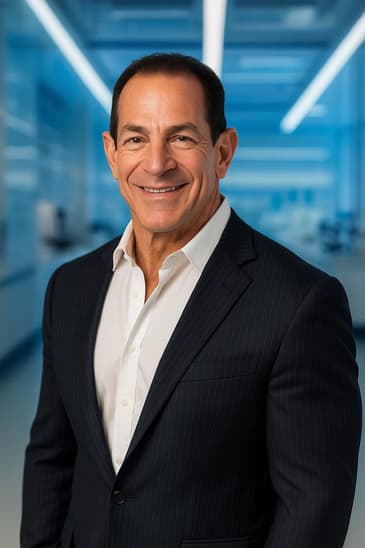
What happens when a former pro baseball player, SWAT team officer, and naturopathic doctor turns personal pain into a mission to help others heal? In this powerful conversation, G-Rex and Dirty Skittles sit down with Dr. Mark Sherwood to talk about hope, resilience, functional medicine, grief, mindset, and why healing has to include the whole damn person — body, mind, and spirit.
Trigger Notice + 988 Crisis Reminder
This episode includes discussion of suicide loss, grief, depression, crisis support, and emotional trauma. Please listen with care. If you or someone you love is struggling, call or text 988 in the United States to reach the Suicide & Crisis Lifeline. You are not alone, and help is available right now.
Awards & Downloads Line
Sh!t That Goes On In Our Heads is a 2024 People’s Choice Podcast Award Winner (Best Health), 2024 Women in Podcasting Award Winner (Best Mental Health Podcast), 2026 Podcast Tonight Award Winner (Best Mental Health Podcast), and 2026 NYC Podcast Award Audience Choice Winner (Best Hosts), with over 4.5 million downloads and listened to in over 160 countries.
Feedback Link Line
We’d love to hear your thoughts! Leave us written or voice feedback here:
https://castfeedback.com/67521f0bde0b101c7b10442a
Mental Health Quote
“Just a little glimmer of hope is like light — it can cancel out all levels of darkness.” — Inspired by Dr. Mark Sherwood
Episode Description
In this episode, G-Rex and Dirty Skittles sit down with Dr. Mark Sherwood, a naturopathic doctor, author, speaker, filmmaker, former professional baseball player, and retired Tulsa police officer. And let’s just say, Mark has lived a few lives in one lifetime.
Mark opens up about being adopted, chasing a childhood dream all the way to professional baseball, serving on the SWAT team, and eventually finding his way into functional medicine. But this conversation goes way deeper than career pivots. Mark shares how the suicide loss of his mother became a defining moment in his life, pushing him to become what he calls a “hope dealer” — someone committed to bringing light into the darkest places.
Together, they talk about how physical health and mental health are deeply connected, why our words and thoughts matter, and how people can accidentally start identifying with their diagnosis instead of their humanity. Mark also shares honest wisdom about forgiveness, boundaries, faith, resilience, self-worth, and learning to love yourself in a healthy way.
This episode is raw, hopeful, and packed with reminders that healing is not about pretending everything is fine. It is about getting back up, choosing hope when life gets ugly, and remembering that you are more than your pain, your diagnosis, or the hardest chapter of your story.
Keywords: Dr. Mark Sherwood, functional medicine, mental health podcast, emotional wellness, resilience, hope dealer, suicide loss support, whole-person healing, naturopathic doctor, trauma recovery, mindset healing, faith and mental health, self-worth, forgiveness, body mind spirit healing.
Meet Our Guest — Dr. Mark Sherwood
Dr. Mark Sherwood, ND is a naturopathic doctor, best-selling author, national TV personality, filmmaker, and co-founder of the Functional Medical Institute in Tulsa, Oklahoma, alongside his wife, Dr. Michele Neil-Sherwood, DO. His work focuses on root-cause healing and helping people understand the connection between physical health, mental wellness, mindset, and purpose.
Before medicine, Dr. Sherwood was a professional baseball player, Oklahoma state and regional physique champion, and a 24-year veteran of the Tulsa Police Department, including 10 years on the SWAT team. His story matters because he has lived through pressure, grief, identity shifts, and trauma — and turned it all into a mission of hope and healing.
Website: https://sherwood.tv
Clinic: https://fmidr.com
Instagram: https://www.instagram.com/drmarksherwood
Facebook: https://www.facebook.com/marksherwood4E
Additional Website Mentioned: https://drmarksherwood.com
Key Takeaways
- Healing is not just physical. Your emotional, spiritual, and mental health all matter.
- Hope can be small and still be powerful enough to shift the darkness.
- You are not your diagnosis, your trauma, your depression, or your disease.
- Forgiveness is not about excusing someone else. It is about freeing yourself from bitterness.
- Resilience is built through hard things, not by avoiding them.
- Learning to love yourself in a healthy way may be one of the hardest and most important lessons.
Actionable Items
- Watch your words. Notice when you say “my depression,” “my disease,” or “I can’t,” and try shifting that language toward healing and possibility.
- Build one small daily gratitude practice. Start with something simple: sunshine, movement, a good conversation, your breath, or one more chance to try again.
- Check your circle. Surround yourself with people who bring peace, honesty, accountability, and hope — not people who constantly drain your spirit.
References Mentioned
988 Suicide & Crisis Lifeline: https://988lifeline.org
Functional Medical Institute: https://fmidr.com
Dr. Mark Sherwood: https://drmarksherwood.com
Sherwood TV: https://sherwood.tv
Important Chapters
- 00:00:37 – G-Rex and Dirty Skittles welcome listeners into another stigma-breaking conversation about mental health, healing, and real-life resilience.
- 00:01:00 – Dr. Mark Sherwood introduces himself as a naturopathic doctor and shares how his work focuses on root-cause healing for the whole person.
- 00:03:06 – Mark talks about being adopted, childhood determination, and the English teacher who helped him believe he could become a professional baseball player.
- 00:05:54 – Mark reflects on his years as a police officer and SWAT team member, including how first responder wellness became part of his mission.
- 00:07:55 – Mark shares the heartbreaking loss of his mother to suicide and how that tragedy deepened his commitment to bringing hope to others.
- 00:10:00 – The conversation turns toward faith, purpose, community, and the importance of having something bigger than yourself to lean on.
- 00:13:00 – G-Rex opens up about her own crisis moment and reminds listeners that 988 is not just for suicide, but for anyone in emotional crisis.
- 00:14:27 – Mark explains why spiritual, emotional, and physical health are interconnected and why he calls himself a “hope dealer.”
- 00:19:05 – Mark talks about boundaries, emotional pain, forgiveness, and why letting go of bitterness is part of healing.
- 00:23:09 – Mark shares how he moved from SWAT into wellness, police officer health, and eventually naturopathic medicine.
- 00:27:15 – Mark explains the difference between the brain and the mind, and how thoughts, words, and environment can impact the body.
- 00:31:35 – Dirty Skittles and G-Rex reflect on how sleep, self-care, mindset, laughter, and small daily choices affect emotional health.
- 00:36:40 – Mark discusses medication, resilience, and why the body has to be supported instead of only silenced.
- 00:47:01 – Mark answers what he would tell his younger self: be a giver, be a servant, and do not believe the lie that you cannot achieve something.
- 00:47:56 – Mark shares one of his hardest life lessons: learning to love himself in a healthy way and build true self-worth.
- 00:49:51 – Mark reveals that if his anxiety had a theme song, it would be “It Is Well,” because peace within yourself changes everything.
- 00:52:08 – Mark shares where listeners can find him and his work.
Closing CTA
Subscribe, Rate, and Review!
Remember to subscribe for more inspiring stories. Rate and review us on your favorite podcast platform, or visit our Website:
https://goesoninourheads.net/add-your-podcast-reviews
#MentalHealthPodcast #MentalHealthAwareness #Grex #DirtySkittles #Podmatch #DrMarkSherwood #FunctionalMedicine #HopeDealer #Resilience #WholePersonHealing #EmotionalWellness #TraumaRecovery #SuicideLossSupport #988Lifeline #NaturopathicMedicine #MindsetHealing #HealingJourney #SelfWorth #Forgiveness #FaithAndMentalHealth #BodyMindSpirit
***************************************************************************
If You Need Support, Reach Out
If you or someone you know is facing mental health challenges, please don’t hesitate to reach out to a crisis hotline in your area. Remember, it’s OK not to be OK—talking to someone can make all the difference.
- United States: Call or Text 988 — 988lifeline.org
- Canada: Call or Text 988 — 988.ca
- Worldwide: Find a Helpline
- Mental Health Resources and Tools: The Help Hub
Stay Connected with G-Rex and Dirty Skittles
- Official Website: goesoninourheads.net
- Facebook: @shltthatgoesoninourheads
- Instagram: @grex_and_dirtyskittles
- LinkedIn: G-Rex and Dirty Skittles
- Join Our Newsletter: (https://grexanddirtyskittles.substack.com/)
- Merch Store: goesoninourheads.shop
Audio Editing by NJz Audio
Hosted by Simplecast, an AdsWizz company. See pcm.adswizz.com for information about our collection and use of personal data for advertising.
[00:00:02] Hey there, listeners. Welcome to Sh!t That Goes On In Our Heads, our podcast where we normalize conversations around mental health. That's right. I'm Dirty Skittles and alongside my amazing co-host, G-Rex, we're here to share stories and tips from our incredible guests. Each episode, we deep dive into struggles and triumphs of mental health, offering practical advice
[00:00:27] and heartfelt support because no one should feel alone in their journey. Join us as we break the stigma and build a community of understanding and compassion. Tune in and let's start talking about the sht that goes on in our heads. Three, two, one. Welcome back to another episode of Sh!t That Goes On In Our Heads. I'm here with the amazing Dirty Skittles and today we have an awesome guest. Mark, welcome to the podcast.
[00:00:57] Mark Sherwood- Welcome. Mark Sherwood- Thanks for having me, you guys. I really appreciate it. Yay. I'm excited to get to learn about you, know who Mark is. I have to say for our listeners, this is the first time I've gotten this beautiful write-up of our guests. So I'm going to try not to look at it because I like to just have it be an organic conversation. I'm a curious person by nature. I just want to know who is Mark. So can you tell me as you are today, first, how are you feeling?
[00:01:25] Mark Sherwood- Yeah. So today I'm actually a naturopathic doctor. I work with my wife who is an osteopathic doctor and we have a really large functional medicine, biohacking, longevity. I don't call it a practice because we don't practice, we do, you know? So we actually have probably 25,000 folks we deal with worldwide. So it's a big operation. We also write books, make movies and things like that. But there's a lot of things that got me to that point. So I can go there if you want. But obviously, you know, that's who I am right
[00:01:54] now. We're very mission-oriented to kind of bring, you know, health and healing into people's lives because we all got baggage and stuff and we've all got to figure it out. So we want to try and be an agent of that. Okay. Can I ask what is a naturopathic doctor? Yeah. So a naturopathic doctor is trained in not just the idea of taking supplements instead of medication, but also providing upstream healing. In other words, like we have symptoms
[00:02:21] that are caused by something and our job is to understand why they're there, what's causing that. Because ultimately, if you understand the cause of it and you correct the upstream cause or the terrain or whatever went wrong in the systems of the body, or even the system and the communication of the body, the symptoms go away and disease processes and medications has become quite irrelevant. So that's kind of what I do. You know, I don't like to see human suffering.
[00:02:46] And it bothers me a lot. The way America is right now, it's just really screwed up. Yeah. And it just really grieves me. And so I want to do something about it. Yeah. That's, I couldn't relate to you more on that. How do you, or where do you think that started for you? Like that passion into this? Probably when I was a kid, everybody's got those kids stories, you know, it started when you were a
[00:03:11] kid. But when I was very small, I found out I was adopted, you know, and of course there's a probably a little mini trauma that goes with that. You know, you wonder, there's that question about who you are, how you are, why you are and all that. But again, I didn't have a bad childhood, nothing like that. But an only kid adopted and was never the, you know, the most, the best at anything really, but I tried really hard. And so I was always an overachiever. And believe it or not,
[00:03:37] there was an English teacher that put something in me one day that I'll never forget. We were sitting in class and she asked the whole class, what do you want to do when you become grown up or big or whatever word she used, I don't recall. And of course, everybody's hand went up and I didn't think she'd call on me guys, but she did. I'm like, oh God. So I'm the first guy, she says, Mark, what do you want to do when you grow up? And I said, the first thing that came to my mind,
[00:04:05] I said, I want to become a professional baseball player. And she's, oh, that's great. You know, she's very complimentary, but the whole class laughed because I wasn't the best baseball player on my team even. Right. And so she had the whole class right down on a piece of paper one that day, you know, I will become X and put a period behind it. I did that and I took it serious. But as I was walking out of class, she called me to the side and she could tell I was upset. I didn't
[00:04:33] even want to get out of the hallway because I was afraid I was going to get beat up or something. Right. And, um, she, she actually said, Mark, I'm telling you, you can do whatever you set your mind to. You just got to give yourself an opportunity and don't let it, but anybody else does, um, um, stop you. So that kind of set the tone, if you will. And, um, several years later, true story. Um, I actually kept that piece of paper, but I lost it. I thought I lost it,
[00:04:59] but I'm sitting in the dugout in my first professional baseball season in the country of Australia. Right. And so I thought of that paper, I don't, I don't know what made me think of it, but I'm between innings, you know, I'm a catcher. So I had to, I got my gear on sitting there. Wait, well, next inning to end that began. I looked in my wallet, which was in my bag and I couldn't find it. Uh, Oh no. And so, but I flipped my driver's license over
[00:05:26] and it was on the backside stuck. So in the middle of that game, I took and peeled it back and it was, it was a dingy yellowish paper, but I was, I don't want to tear it, peeled it back. And I read that thing out loud. I will become a professional baseball player. And I realized that dreams, visions do come true, you know? And so that was what drove me that way. And then, um,
[00:05:55] what really got me to where I am today is, is when I was on the police department, pre naturopathic doctor days, you know, I was on the SWAT team. I saw a lot of death, a lot of destruction, a lot of mess, you know? And, um, I saw how police officers suffered going through that, you know, the first responders and, uh, they don't live very long. They only lived to about 66 years of age on average. And I wanted to do something about that too.
[00:06:22] Guys that I worked with said I couldn't. So we're back this place again. And, um, you know, it really drove me as a mission and I wanted to, to do that. And then that just led me to what I'm doing right now. More of the same protection and service, dreaming, visioning on just a bigger scale. I love that. I love that you had somebody in your life that was able to impart such wisdom on you. And like, you were able to take it and like run with it. Cause I know, you know, as kids,
[00:06:49] I remember my childhood, you're going to go one way or another, I think in the face of adversity. So I love that you chose that path because it's so much me, we would have chosen the other path. I'm like, yeah, guess I can do that. Damn. You know? And like onto the next, but did that drive continue for you? Like, I'm sure you had other moments in your life where people are telling you couldn't do that, but is that, how did you find the will to keep pushing forward to prove them wrong?
[00:07:19] You know, I mean, there was been a lot of moments, guys that have happened in my life. I think one that probably shaped me as much as anything, you know, there was a time during my police department days where I was on a world famous group called the power team. We traveled all around the world, you know, breaking bricks and running through big slabs of ice. We were on national TV five nights a week and it was mind blowing, you know, but I was in the middle of that. And part of that mission was to
[00:07:47] go into schools to teach an anti-suicide message, you know, and anti-bullying message. And that was really popular back in those days. I'm talking the early 2000s, late nineties. And at that time, it was very important to me to establish hope into people, hope and vision, you know, belief, right? Don't quit. And one day I got a call. I was working as a police officer at the same time. And I was,
[00:08:12] I was told to go to a nearby bridge that was over a large river. And to make a long story very short, my mother had actually committed suicide by jumping off the bridge. And that just like ripped my freaking heart out, man. It was just so bad. And that was probably a major turning point, I suppose, you know, it was like, what am I going to do with this? Here I am supposed to be doing this and helping people. And this stuff happens in my life over here. And that day, something probably snapped in me,
[00:08:42] you know, it was like, I'm not going to put up with it. I'm not going to do it. I'm going to spend the rest of my life, you know, trying to encourage somebody else. Now, is it hard? Yeah, it's really hard. It's heavy, man. It's a lot of stuff. But it's important because I've realized in my own life, and I think you guys would agree with me, we've always had a point in our life where we're thinking, you know, just give up, throw in the towel and forget it. And that's just honest. And nobody's
[00:09:10] more important than anybody else. And I've learned that over time, that it doesn't matter, you know, who you are. It matters inside of you what you are, you know, and that's the thing. And so that was a thing that just flipped my switch in a more of a, I'd say a permanency of direction. And it still hurts, man, to this day, you know, I think, my God, and other stuff happened in my
[00:09:35] life. But that was the defining moment, if you will, where I had to like decide, am I serious? Or am I not? Do I go forward? Or do I stop? Do I quit? Or do I just get started again? You know? And so that was difficult. And it still probably in some ways, I suppose, drives me today.
[00:09:58] Hmm. Do you have any like tips or methods that you use to keep pushing forward? Yeah. For me, I have to like rely on a couple of things. It's one is, you know, my faith. I think with that, it's not, and today's world is so weird, man. And it's not about religion at all. It's just for me, it's realizing that perhaps there's something bigger than me. You know, I look around and I'm like,
[00:10:27] you know, I'm amazed. I look up, you know, I know we just recently went around the moon, you know? Wow. I mean, the universe, whatever we know to be the world is so indescribable. That didn't just happen by accident. That's just like, it takes more crazy imagination to believe it happened by accident than it does to believe there's some divine creator, you know? So for me, it was just, it was seeking out, you know, the creator of the universe and understanding that
[00:10:58] I don't have it figured out. And I need something bigger than me to keep me going. And every day I wake up, the more I know, the more I realize I don't know. And so I have to really rely on something, someone bigger than me to help me because I can't do it on my own. You know, we need each other. If you get my drift, you know, we need each other. We need this idea of community. And I didn't mean you have to share your life with thousands of people.
[00:11:23] And I do sometimes, but that doesn't mean that they're in my inner circle or anything like that, because the closest people to you will influence you the most. And so you got very careful about that, but also realize there's a higher purpose for all of us. You know, even right now, I mean, in the middle of this conversation, I'm totally into both of you, you know, thinking,
[00:11:50] I'm going to make sure that I say the right things, do the right things, respond the right way so that it's honoring to you guys. And we make the very most of this conversation because I never know where the words that I'm speaking right now and the words we're talking about right now as a group are going to go. Whose ears are they going to pierce? Whose heart is going to be touched? And that's really something that really is important in the process of that. But that's what
[00:12:19] kind of is my probably overlying drive, I suppose. Yeah. I love that you were able to take that tragedy from your mom and really like dig deep inside yourself and figure out what you wanted to do, right? Like how you wanted to help people, not just yourself, but, you know, the community as a whole and it takes a lot of strength. But, you know, for me,
[00:12:49] I knew what I needed to do for myself. Yeah, I got to that point. It was the most terrifying, tragic time in my life. But I took that glimmer of hope that things were going to get better, they got way better than I ever thought. But then I turned it into my passion. And that's this podcast. Because every conversation we touch somebody's life, we unlock somebody's prison. We don't make
[00:13:18] people feel so alone because to your point, Mark, you're right. The world's on fire right now, literally on fire. And so the more we can reach out and help people, the better we are. Because, you know, it is. It's all about touching, you know, piercing people's ears, touching people's hearts, and making them feel valued and wanted. And, you know, for anybody that's out there that's
[00:13:43] really struggling right now, pick up the phone and call 988. I am telling you, it is more than a suicide hotline. It is a crisis hotline. The people on that line are the most compassionate people you will ever talk to in your entire life. And they will get you from that second to the next minute to the next hour. And I'm eternally grateful to them. So I'm so grateful that you're here and you're sharing
[00:14:08] your story and sharing the work that you do because I'm all about functional medicine. I'm so anti-traditional medicine that I, you know, I do stuff that's good for my heart, good for my soul, good for my body. And I'm just so thankful you're here. We do. It means a lot, you know, I think we've lost side of the fact in this country and some in the world,
[00:14:34] but more so in this country of the idea of the interdependency of spiritual, emotional, physical health. They all interconnect, man. You can't have one without the other and you can't have the other without the one. And we lose track of that and that loses, therefore, the effectiveness in what we do. And if you can give somebody, as you said, clearly hope, I got a little bracelet I wear sometimes. I don't know if you
[00:15:00] can see it, but it says hope dealer. And so I put them on and sometimes, you know, I keep a stack of them with me.
[00:15:08] I feel like giving one away, I do, you know, I'll put it on somebody. And it, you know, it's fascinating, but we need to become hope dealers, don't we? You know, just a little bitty small glimmer of hope is like a light that will cancel out all levels of darkness. It doesn't matter how dark or black it is. Just open up the cell phone and there's that light. It's going to shine across the whole room, man.
[00:15:34] And that is kind of what we try to do within all of our therapies, protocols and things like that, because people begin to identify with negative things. They'll say like, you know, my disease process and fill in the blank. They'll say my depression. You know, once I was diagnosed with this disorder or syndrome, that it drives me absolutely bonkers because it becomes their ID card.
[00:16:00] Instead of my license that says, my name is Mark Sherwood. My now license says I am type two diabetic or I am immune or whatever. And it becomes a negative driving force to push us over into here, which gives us the excuse to say, this is always a reason why I can't be over here.
[00:16:24] And I'm like, don't let that become an excuse. The greatest distractions in life are death, disease, sickness, and lack. And if we quit focusing on those things right there, maybe we can see a little bit of hope and maybe abundance and maybe an opportunity and maybe a little bit of faith that maybe something good is going to happen somewhere.
[00:16:44] Yeah. I love that you're touching on this topic because hope is my thing. Hope is my thing, right? Whenever I think about like my childhood and stuff that I went through, I always wonder like, dang, how did I get through that? And I think that was something, hope and faith actually the two. When I was little was what I would sort of grasp onto, right? Like hope that it would be different or that it would change or, you know, I'd find a way out and then faith that it would happen.
[00:17:13] And I think, and it like just sparked this thing in me because G-Rex remembers me, I think it was like last year I was going through some really tough shit. And I think, you know, in hindsight coming out of it, for me, I think it was so dark because for the first time I lost hope. And I was like, whoa, your whole world when I think when you're believing in those two things and then one is gone, you're like, holy shit, right?
[00:17:40] The world crushes as you know it. And you're like, what do I do now? And I think it's really tough. Like if anybody's listening and you're going through something similar, like I feel you. Like it can be a struggle to find that pillar again, right? So for me, I wondered how, what advice would you give to somebody?
[00:18:02] Like how do you still have faith and hope when you mentioned like how dark the world is today and you coming from like SWAT to now doing what you do? Like I can't imagine that it was always peaches and cream or there was always hope and faith during those dark times. Like how does that, how did you find your way through stuff like that?
[00:18:25] Well, you're right. It's not all fun and games and life. Well, let's face it. Life can kind of suck sometimes. It does. I mean, who's kidding who? You're going to have hard times, man. Nobody ever said we wouldn't. And then nobody knows how you feel. So for someone to say how you feel, I know how you feel is just ridiculous.
[00:18:47] It really is because they don't know. Now someone can sit with you and empathize, sympathize, and try to feel the closest people to you feel the closest, but they don't know what you're walking in. They haven't walked in their shoes. Everything is different. And that can feel quite lonely.
[00:19:09] And this is key right here. We have to surround ourselves with the right people. We have to have boundaries. If we don't, that will open up us to things that can actually make things worse. Because the hurts that we have in life today, I mean, let's face it, they're typically coming from people. They really are. People will hurt you, man. I mean, I realize this and I'm not saying I'm perfect at all.
[00:19:37] I'll qualify that with this statement. I am one moment away from being an idiot or a blessing. And I know that. It's the truth. I have to keep that in mind all the time. And I can hurt people and I don't want to ever. So I have to realize the gravity of that. And so people will hurt you. They really will.
[00:20:03] And the greatest thing we can do when we have loss of a relationship or loss through a death or even divorce or even betrayal, those kind of things. The hardest thing to get over with is not just the death, but someone who's alive that hurt you. Right? And so it really boils down to one thing that ties into two things. Forgiveness allows us to let go of bitterness.
[00:20:33] When we forgive, we can actually let go of bitterness. Forgiveness is not about the other person. It's about you. It's about me. Because they don't care about you anyway. They've already hurt you. And if they're dad, they can't come back and fix anything. So it's like it's really about you and I and us. Are we willing to forgive? And I'm saying have dinner with somebody. And that's not the point.
[00:21:02] But are we willing to forgive and not live in bitterness? Because that can actually drive us some pathways of disease processes that hurt or harm us greatly. And that's a problem. So that's just one thing that I've had to work through all these years, I suppose. Man.
[00:21:33] If we could take a step back, there's this part of my brain that's curious. How did you go from baseball to SWAT? That's a big question. So when I was achieving my dream of a professional baseball player. Great. Awesome. Wonderful. You know, but then as we know, those professional athletic days, they end at some point. And then when they end, it's a crushing blow. My childhood dream achieved, but done. Wanted to continue, but not.
[00:22:02] And then you're forced with this decision. What are you going to do? And applied and I had a college degree, which is fortunate for me. You know, so I had some intelligence and I had some credential I could apply or whatever. And nothing really appealed to me. And one of my friends was a police officer. And he said, hey, you know, you might try this. It's about helping people and, you know, protection and service. And I thought, why not? You know, all good. And so when that happened, I went and applied and tried out.
[00:22:32] And before I knew it, I was on the streets in a uniform driving a patrol car. And I'm like, what the heck, man? So that was wild. And that was crazy. And so that was an interesting time. I'd been on about three years. And then a vacancy came open to the SWAT team. So I was able to try out, make it. And I stayed with that about 10 years. Wow. 12. Jeez, 10 years. That sounds tough. It was a long time. Tough stuff. That is a long time.
[00:23:03] Long, long time. Yeah. And then from there, transitioning to what you do today, what did that journey look like? From the SWAT team days, you know, when it was time to stop, you know, it was time to stop, you know, stuff. You compartmentalize it, but you don't ever get over it. That's not the point. But I was transferred to the police academy where I was assigned as in charge of training, background investigations, hiring the whole bit and developing a wellness program.
[00:23:32] That was the key right there. And it didn't exist at the time. So I didn't know how to do it. Didn't know what I was doing. And so I researched it, looked around. And there was one statistic that blew my mind. I was doing research on how long police officers live. Right. And so I found an FBI study from back in the, I think it was the 50s, something like that. But it stated the average 20-year service male police officer lives to the average age of 66.
[00:24:02] And I thought, well, that didn't seem very old. And so then I pulled some statistics. This was probably the early 2000s, I suppose. I pulled some statistics in my own county, which was Tulsa, in my own state of Oklahoma. And they were 65 and 66 life expectancy, respectively. And so it didn't change. And it's funny.
[00:24:29] I recently checked that same statistic about a month ago. It's the same thing. Nothing's changed. And so that was one that really broke my heart because I saw men and women out there serving and protecting. And I'd watch them work, work, work for this thing called retirement. And then I watched them die as soon as their identity was done. And they couldn't get away from it. So I was determined, that's not going to be me. I'm not going to do that.
[00:24:57] So despite all my colleagues and buddies telling me it was not a good move to go back to school, not a good move to try that stuff, not a good move to where I was going, I thought I could protect and serve even better and perhaps more wide ranging in the area of naturopathy, becoming a naturopathic doctor. And I didn't know I was going to meet my wife shortly thereafter, which is great. And that kind of helped matters a lot because we teamed up together.
[00:25:26] But it just, it really hasn't been a transition that's two different things. It's been the same thing. It's just a different maybe name for it, maybe a different reach for it. Yeah. So when you're working with your clients, do you focus more on like mindset? Because, you know, mind over matter, as crazy as it sounds, it does work. Mind over matter does. Because for me, like I had to make that decision on Christmas Day.
[00:25:56] I like, do I want to take my life or do I really want to live? And I really wanted to live. And it took a, it took that third therapist to help me find that. But it's also kind of like trickled down into other parts of my life, right? So, you know, dirty skills, you know, you say that right now your thing you focus on is hope and faith. Me, I focus on joy. You know, I spent 45 years in corporate America. Yeah.
[00:26:25] And never, ever going back. And now that I'm out on my own, that's really what I focus on. I focus on hope and joy. I hope that things are going to work out. And I'm joyful when they do. I'm even joyful when it doesn't work out because at least I tried. Yeah. But it's that change in that mindset. And what people don't realize is that your physical health and your mental health kind of are tied together.
[00:26:50] So, if you got a little bit crazy going on in your head, because we all got a little bit crazy going on. I don't care if everybody's got a little crazy. But like you have to put the two together. So, as a naturopathic doctor, and I'm sure as your wife is an osteopathic doctor, you guys really work with your patients and your clients to make sure that they've got the good mindset going on too. Yeah, we do.
[00:27:16] An illustration that I've used many times is like the brain, you know, that fatty organ that sits, you know, in the cranium. You know, it is separate from the mind. So, if you can picture, you know, our listeners and viewers can picture a funnel coming out of our head, the top of it with the open part to the world, you're always having these inputs. And if you don't fill that thing up, it will be filled up. It's never empty.
[00:27:41] But it forces the action of whatever those thoughts, words, the environment into your head, into your brain. And then that creates this chemical factory that releases things, neurochemicals and hormones and responsiveness to that stimulus, whatever that is. And we talk about that a lot. And there's a study, a science out there, it's called sonoluminescence. Sono meaning sound, luminescence meaning light.
[00:28:11] And this is crazy because scientists have figured out that certain sounds that are put into water quickly create this pattern of bubbles, which makes sense, you know, that bubbles come in, the sound waves come in there. But the pressure inside of that bubble that's put on the expansion of the water will crush that bubble. So, it doesn't stay very long. But they found out that at the center of that explosion is a flash of light.
[00:28:39] Now, think about that for a moment. What we say can become light through our bodies because our body is made of what? Water. Water. So, it's like what we say creates a picture of light or a picture of darkness. It changes us from the cellular level. It changes our mindset.
[00:29:02] And it's not to say that life is all good, but saying that we have the choice of inputs. You're talking about inputting joy, choosing joy, choosing to say this, even when you might feel differently. The emotions will pull us one way and we have to choose to go another way sometimes. Let the emotions not lead, but the emotions follow.
[00:29:26] So, we teach people that analogy about the inputs and outputs and how our environment can change by not just what we say, but what we do and how we think. Because many times what we say is a reflection of how we're thinking. And then that changes the actions in our body hormonally, chemically, from neurotransmitters, etc. Responsiveness, even at the cell level. So, it's a really interesting process that we have, this thing called life.
[00:29:53] You know, it's just unfathomable and hard to explain, but we have to really learn to deal with it. Like you just talked about correctly with choosing joy amidst the struggles. You know, choosing to understand points of pain. Maybe we can learn something. Lessons learned or lessons earned, I suppose, you know. And life is one where you take your mistakes, you take your victories, and you put them all in a pot and figure out what worked.
[00:30:22] And then don't repeat the bad things, repeat the good things, you know. And so, but we really, yes, we spend a lot of time on that one, you know. And I don't even let people come in that are in my office or I'm working with remotely. I don't want to hear all this. I mean, I'll listen, but I don't want to be disrespectful. But I don't want to hear the terms like because of mine. Because that, the more they do that, the more that becomes repetitive, it becomes predictive.
[00:30:49] And it becomes the environment which sets the tone for many times disease processes or not. Healing or continued symptomatology. Yeah. Yeah. It's so interesting to hear you talk about this because I've oftentimes, like I know G-Rex and I, we talk every day. Basically every day.
[00:31:15] And she's really good about putting things into perspective, but also like finding the light, the hope, the joy, right? Like she's good at that stuff. I would imagine it's like years of practice, right? I'm not that great. I'm not that great at it. I'm learning how. And I think that's something that when you were talking about like the whole body, the whole mind, like all of it, how it influences each other and how it all kind of ties in together.
[00:31:42] I think that's so important for listeners to really wrap their minds around. Like it's harder for me to find the joy if I'm tired, if I'm feeling sick, if like I need to really take care of myself as a whole to be able to flex that muscle to like work out that new method of finding something.
[00:32:06] And it's something that last year, I think it really kind of like, I had heard it, you know, I had heard that would be a thing, but you don't really know it until, well, me, I didn't really believe it until I was going through it. And then I'm like, wow, yeah, like everything does tie together. Like this is harder to get through because I have slept like three hours in five days, right? Like these are things that basic human needs were not being met.
[00:32:32] And so to go through something as challenging, you know, emotionally and mentally was difficult because these basic human needs weren't being met. So it's just, it's so wild to me to hear you talk about this because it's sort of beautiful, right? Like the human body and mind and how it all works, but it's hard, y'all.
[00:32:54] It is hard, but I can tell you just from my perspective, you know, I'm going to be 63 in a couple of months, but like it's life, right? Life has taught me how to be a little bit more resilient, how a slight change in my mindset can change my day, can change my perspective. And so like when I talk to you, I just try and give you some life lessons.
[00:33:18] I'm like, don't do the fucking shit I did because a lot of times it doesn't end up the way that you envisioned in your head. But, you know, it's making those baby steps. And Mark, I think you'll agree with me. Like joy is intentional. I intentionally go out and look for things that are going to bring me a little bit of a smile. Because on those really hard days, that's all we have to hold on to is that joy.
[00:33:45] And it could be the squirrels, even though I hate them. It could be the squirrels doing stupid stuff that I don't want them to do. It could be the mama deer and her babies walking around in my yard. It could be the birds eating out of the bird feeder. It could be the sound of Cheryl, of my wife laughing, right? No. It could be those things.
[00:34:10] Because that little bit of mindset change gives your day a new perspective. So, kind of remember how the whole podcast started. We would call each other every day and laugh about shit you should never, ever laugh about. But here's what that did. It changed the trajectory of that day because it released a bunch of cortisol, got our serotonin going, got our endorphins going.
[00:34:35] And I can remember that we would get yelled at in meetings because we would start laughing in meetings. And people would be like, what are you laughing about? Like, we can't tell you because it's probably about you. But it changed the trajectory and that was part of my healing path. So, like, sharing my story and laughing. And that's why we always try to add a little bit of laughter into our episodes because it makes it way more digestible for humans.
[00:35:00] And that's why what I think, Mark, what you and your wife are doing, you're giving people what you always say. You're a hope dealer. You're giving people hope because you're helping them change their mindset because you're not your disease. Or you're not your disease. You're not that mental thing that's going on. You are a person, a whole person. Right. So, a whole person is maybe part disease, a whole lot of love. Yeah.
[00:35:28] And probably some other crap going on in your life. But that's what makes the whole person. That I have to share is like, was difficult by going through everything and then being diagnosed with severe depression. For me, it was like, okay, what does that mean? Right. Like, because I'm like, I am a different breed of person.
[00:35:47] I was like, I don't want to take medication because it felt like I should be able to learn who I am and get through this moment in my life. Right. Like, I should be able to do this without needing like medicine. And there have been times where I thought like, man, I wonder if it would be easier, you know, to go the other route.
[00:36:10] But for me, it to me is important that I can work through these things on my own and learn tools and go to therapy and whatever that looks like without having to be reliant on medication. Because I don't know that I would ever deal with it otherwise. Right. Like, I think I would just sort of take the medicine and move on. So for me, I'm like, no, I want to try it this way first. So I don't know. Do you have any thoughts on?
[00:36:40] Yeah, I do. I think that's a very important point. And I commend you for that because here's the situation that we are in. Even with the area of health, where we're talking mental health or physical health. We are trying to take a pill for an ill. And that never works. I'm not anti-medication. Don't. Please don't receive that wrong, anyone listening.
[00:37:04] But it should be about utilizing medication properly for as short a duration as possible with as quick of removal strategy as possible. Now, notice I said necessary. If you're a type 1 diabetic, you might need insulin. I mean, you do, obviously. So, but the point I'm getting at is that if the body's not taught resilience, and who teaches the body what to do?
[00:37:33] We do. We have to learn resilience. I go to the gym, you know, probably part of my therapy session, I suppose, every day, you know. I don't go there to talk. I go there to just move. I'm grateful that I can move, right? So, but I do try to improve. And some days it's harder than others. But how do I improve?
[00:37:54] You improve by breaking things down, letting them build back up, and compensate so that the same amount of work doesn't break down as much stuff next time. It's a process of loss and gain. And over the time, it becomes a gain. And exactly what you did with that was you decided that I'm going to work through this. Tough? Tough?
[00:38:48] Painful? And you will. And you will go through hard things. And sometimes you just got to laugh about it and say, man, why did I put myself in that spot? In the things, the little things of life. I was walking around just last evening and even this morning, and I was thinking about, you know, I'm grateful for the sunshine. And that sounds pretty minimal. But I was grateful for it. You know, I thought I'm grateful for the sunshine.
[00:39:19] It's nice. You know, I'm grateful for the day. I'm grateful for my wife. I'm grateful that I can walk around and think and have a mind that can comprehend and have the opportunity to be on this podcast. I'm grateful for that. And it's like choosing gratitude and joy and the tough things in life and allowing those to build us to become better.
[00:39:42] Because you're going to have, without difficult times in the gym, if I don't push, if I don't push and do more, I'm doing the same things. The same things will not create an adaptation. They'll just create the same. And I'll never grow. I'll never get better. And all aspects of life are just like that. They all work the same. The human body has to have stress, proper stress, in order to build adaptation. It's part of life.
[00:40:10] But when we build adaptation, we build that resiliency. And that helps us get through life better and helps get through life in a more healthy, positive way, of course. Yeah, I like that you said that. I chuckled because I remember thinking, you know, those nights when you can't go to sleep. And I remember thinking like, dude, you've been doing the same thing for 40 something years. This shit ain't going to magically change, right? Like you, like I was like, you've got to get off your ass and like, do something different.
[00:40:38] Anything different besides the normal shit that you've been doing for 40 something years. So it made me laugh because these are the dark humor moments that G-Rex and I will laugh at each other about. But like, guess what? I got up today. I went for a walk. Finally. You know what I mean? Like, because it's just so, it can, we can be so, I guess, used to routine and expecting this miracle to happen. But you've got to make a change. So thank you for chatting about that.
[00:41:07] And like for me, like I made that change. I, the, so the winter months up here in upstate New York are horrible. Okay. They're horrendous. And so at the beginning of winter, I decided that I would take two gummies when I go to bed instead of one. Because like my system's already depleted, right? And yes, they are my THC CBD gummies. They're fantastic.
[00:41:31] But my emotional level gets tanked during those periods because, you know, we get a little bit of seasonal depression and, you know, it's just fucking cold here. Literally just fucking cold. So, but then as spring started to come, like it's pretending to be spring, I've now tapered off because now I'm finding that I have more energy. I, I, there's more things I want to do when I get up in the morning.
[00:41:58] When I go to bed at night, I'm actually super tired now. So, so for me, it was like a mindset. Like I know from November 1st to like April 30th or April 15th, I'm going to double down, get really good night's sleep because that's like my hibernation time. My little bear time. I came out of that and like, I'm all fired up for spring now, right? I want to get out.
[00:42:28] There's things I want to do. Like my sciatics really been bothering me. So I decided to do a little self-care. I had a two hour massage the other day. Girl, let me tell you, it was so awesome. I fell asleep. I caught myself snoring. I didn't care because I was doing something that would make me feel better. And like when I left, like I could walk like a normal human being. I wasn't dragging my leg behind me. I could move my hip.
[00:42:57] Like she did some crazy stuff to my hip and it was like, I could never do the sitting on the floor because we're never going to get back up. Because, you know, once you get this age, it's really hard to get back up from the floor, but I can laugh about it. Maybe, you know, like two years ago, I wouldn't have laughed about something because it was kind of dark and stupid. But I was like, damn, like my hip doesn't feel like it's broken anymore. And I'm all about plant-based medicine.
[00:43:26] And, you know, in our last episode, we talked a lot about plant-based medicine. And so I really love what you guys are doing to help your patients and giving them alternatives. Yeah, with hardcore medications, there's so much damage that those things are doing in our bodies and our lives.
[00:43:48] And what we don't think about enough is that these medications or pharmaceutical drugs are starting or stopping normal physiological processes. And again, sometimes it's, I get it. Sometimes it's probably necessary. You have a surgery. You don't want to get behind in pain. You want to stay ahead of pain. And sometimes you might use something to block that noise for a while. But it's not to be blocked forever.
[00:44:17] Anytime you block, start, or stop something that's natural physiologically, you create nutrient deficiencies. You stop something else from working. It's like short-circuiting in a circuit board, one circuit that affects the whole board. Maybe it's necessary temporarily, as stated, but it's not something that needs to happen the entire time. So, you know, getting older and hopefully wiser is part of what the body does to keep the body alive.
[00:44:48] And I think people need to think about that and not just take the easy way out. Learn to work with the body. Learn to understand it. Learn to understand things we're going through. Learn to understand the emotion behind it. Learn that. Talk about it, man. Work through it. Don't just acquiesce and say you can, you might as well quit. Stop. Watch what you say as well. I mean, these things are all really important and we try to, we have.
[00:45:18] Don't try. One of my pet peeves is to say the word try. Don't try to pick a pencil up off the, a pen up off the table. You pick it up, you know. So one of the things we do is we instill that continually into people's lives. Because if we don't, who will? And we don't have a lot of colleagues in this area because it's hard. You get into people's lives, man. I mean, you're getting into their lives, into every aspect of life.
[00:45:47] And most people in our world, I've determined, don't have anyone to talk with. They talk a lot, whether it be social media one way, but they don't really have a chance to speak with somebody. Like you guys were talking about things you share with each other. That, that, that's such a gift because most people don't have that in their lives, much less their own home. And that makes me sad.
[00:46:17] So we all can become those people that become the listeners. You know, we have two ears and one mouth for a reason, I suppose. Sometimes that's the biggest thing we can give people is a place or a space for that. Yeah. Ready for my questions. Uh-oh.
[00:46:47] Yes. I'm like, uh-uh-uh-uh. Okay. If you could go back in time to a younger version of yourself and give that younger version some advice, what would you tell yourself and how old are you? You know, I think and expect nothing back. Be a giver, be a servant, you know, and don't believe the lie that says you can't achieve
[00:47:16] anything you want because you can. You think about it as a child. Children are not taught language. They learn it because they're around it. Their brains are so plastic. And that is fascinating to me. But as an older person looking back on my life, I wish I had someone around me to tell me that every single day. You know, and I suppose now that's what I'm doing with my life.
[00:47:44] But those are some things that I would want my younger self to know. Oh, God. Thank you. And what would you say so far in your life has been the hardest lesson that you have had to learn? You know, it's probably, and this is going to sound weird coming from someone like me, but it's been learning to love myself in a healthy way. For a long time, you know, you depend on words of affirmation and all that as other people to
[00:48:12] make you, quote unquote, feel good or feel valid. And what a waste of time. You know, what an utter waste of time. I allowed myself to have years and years of just pain that was self-imposed because I didn't truly respect myself and love myself enough to set boundaries around that. You know, please everybody, stop. You know, it's not about being selfish.
[00:48:42] It's about having self-worth. You know, there's a big thing to think about right there. And I probably didn't for a long time. It's my own fault. And when that happens, you allow things in and around you that will bring you pain. But then again, you have a choice that's not really their fault. That was really the fault of yourself, not allowing yourself to really receive love and be loved. So that's been one of the things I'm, and I don't want to say I'm fully recovered from
[00:49:11] that because I don't think we're ever fully recovered from anything. But I think it's something I always want to work through on a daily basis and realize, as long as the end of that day comes, and I've done my best, and I've loved with respect and dignity and honor people where they believed what I did or not, it didn't matter. It's just loving people, man. And you can't do that until you really loved yourself. I love that. Thank you so much. Such great answers. All right. So my questions are a little funner.
[00:49:41] Maybe not make you think so hard. They're good. She says that, but everybody gets stumped. Everybody gets stumped. So if your anxiety had a theme song, what is it and why? It's certainly not. I did it my way. It's not that at all. Let me think. It's going to be a song that I've heard a few times in different avenues, even funerals. And it's going to sound kind of sad, but it's not sad to me at all.
[00:50:10] And it's called It Is Well, meaning it is well with my soul. I'm good, man. And I hope that theme is epitomized from my life because I've finally learned how to love myself and say I'm okay. So that would be It Is Well. I'd love that. And so what is your most favorite word? Probably peace.
[00:50:39] Peace. I like the word peace, man, because peace is like, it doesn't mean that there's always agreement. It doesn't mean there's always similarities. It means there's peace within it all. Right? And peace is a calm. It's a spirit. It is something we all know if we're in the middle of it.
[00:51:10] That is such a perfect word. Least favorite would be probably fight because fighting is like what we're doing right now in our country and world. And I'm just like, it's always about trying to hurt somebody else or trying to get revenge about somebody else. We got to stop.
[00:51:37] I mean, to have a spirit of fight in a healthy way is good, but it's becoming more unhealthy. The fight is internally not to be and to want to fight somebody else. The fight is to want to have peace. But you see how those two words relate quite a bit, you know, right? But that's my least favorite right now. Wow. This has been such a great conversation. Jason. So, how can our listeners find out more about the Hope Dealer?
[00:52:08] I'm easy to find. It's simply drmarksherwood.com. And it's D-R-M-A-R-K-S-H-E-R-W-O-O-D. And it doesn't have a dot in there. So, people make that mistake a lot. But it's super easy to find. There's, you know, all of this stuff that, you know, we do, my wife does and all that on there as well. Books and movies and all kinds of cool stuff that people can avail themselves to. Nice. Thank you. Thank you. Thank you, Mark.
[00:52:38] What a great, awesome conversation. Yeah. This was amazing. Thank you so much. Oh, you guys have been great. Love your spirit. It's good, man. You guys make me smile and that's a great thing. So, thanks for having me. I'm really honored to be with you. You're welcome. Hi, all. Thank you so much for listening to this episode. I'm G-Rex. And I'm Dirty Skittles. Don't forget to subscribe, rate, and review this podcast. We'd love to listen to your feedback. We can't do this without you guys.
[00:53:16] It's okay to be not okay. Just make sure you're talking to someone.