
season 018
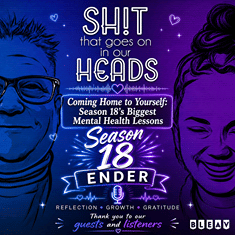
Coming Home to Yourself: Season 18’s Biggest Mental Health Lessons
In this Season 18 finale, G-Rex and Dirty Skittles revisit eight powerful conversations about mental health, emotional healing, self-love, trauma recovery, healthy masculinity, neurodivergence, food freedom, and resilience. Together, they uncover one shared lesson: healing often begins when we stop running from ourselves, listen to what our bodies and emotions are telling us, and find our way back home.

Anat’s Journey from Rock Bottom to Self Love Feel Your Feelings and Rewrite Your_Story
Anat Peri shares how hitting rock bottom led her to self-love, emotional healing, and the courage to rewrite the childhood patterns shaping her life. In this powerful mental health conversation, G-Rex and Dirty Skittles explore inner child healing, nervous system regulation, codependency recovery, and why learning to feel your feelings can change everything.
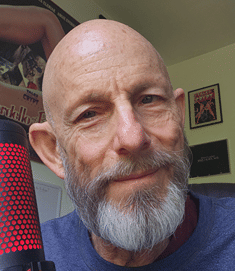
Alan’s Truth-Telling Journey from Childhood Trauma to Emotional Freedom
Alan Katz, former writer and producer for HBO’s Tales From the Crypt, shares how childhood trauma, self-blame, and a suicidal crisis shaped his mental health journey. In this powerful conversation with G-Rex and Dirty Skittles, Alan reveals how truth-telling, emotional healing, and reconnecting with his younger self helped him find freedom and purpose.

Part 2: Michael’s Road to Gratitude: Mental Health, Rare Disease Advocacy, and Life Beyond Survival
In Part 2, Michael Caprio returns to talk with G-Rex and Dirty Skittles about life after FAP surgery, rare disease advocacy, gratitude, family genetics, and rebuilding mental health beyond survival. This emotional conversation explores colorectal cancer awareness, chronic illness, patient advocacy, and how sharing your story can help others feel less alone.

Part 2: Michelle Petties on Body Trust, Emotional Healing, and Life After Diet Culture
Michelle Petties returns for Part 2 to explore body trust, emotional healing, self-care, and life after diet culture. This episode helps listeners understand fear-based eating, weight regain anxiety, and how writing, belief, community, and self-compassion can support lasting food freedom.

Part 1: Michelle Petties on Rewiring Your Brain for Food Freedom and Emotional Healing
Michelle Petties joins G-Rex and Dirty Skittles to talk about food addiction, emotional eating, food noise, and how our old stories shape our relationship with hunger. In this powerful mental health conversation, Michelle shares how brain rewiring, self-awareness, and emotional healing can help listeners move toward food freedom and break free from shame-based diet culture.

Brandon Siler on Brain Health, Suicide Prevention, and Breaking the Stigma for Men
Former NFL linebacker Brandon Siler joins G-Rex and Dirty Skittles for a powerful Men’s Mental Health Month conversation about brain health, suicide prevention, athlete mental health, and breaking the stigma around men asking for help. Brandon shares his journey from the NFL to mental health advocacy, using brain mapping, neurofeedback, addiction recovery support, and veteran services to help others heal from invisible injuries and reclaim their lives.

Jason Lange on Men’s Mental Health, Vulnerability, and Why Every Man Needs a Men’s Group
Jason Lange joins G-Rex and Dirty Skittles for a powerful conversation about men’s mental health, vulnerability, emotional healing, and why every man needs a men’s group. Through his own story of isolation, somatic therapy, fatherhood, and embodied men’s work, Jason shows how safe male community can help men stop pretending they’re fine and start showing up fully in life, love, and healing.

Dominic Petty on Healing Relationship Trauma, Self-Acceptance, and Finding Inner Peace
Dominic Petty joins G-Rex and Dirty Skittles to explore healing relationship trauma, building self-acceptance, and finding inner peace through emotional intelligence and trauma-informed coaching. This episode offers practical insight into breaking unhealthy relationship cycles, understanding emotions as data, and creating healthier connections without losing yourself.
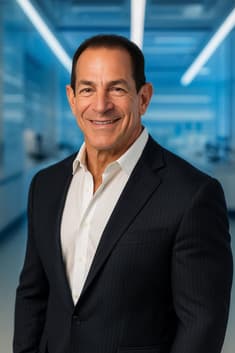
Dr. Mark Sherwood: Becoming a Hope Dealer Through Functional Medicine
Dr. Mark Sherwood joins G-Rex and Dirty Skittles for a powerful conversation on functional medicine, mental health, resilience, grief, and becoming a “hope dealer” after life’s hardest hits. This episode explores whole-person healing, mindset, faith, forgiveness, and why you are more than your diagnosis, trauma, or pain.